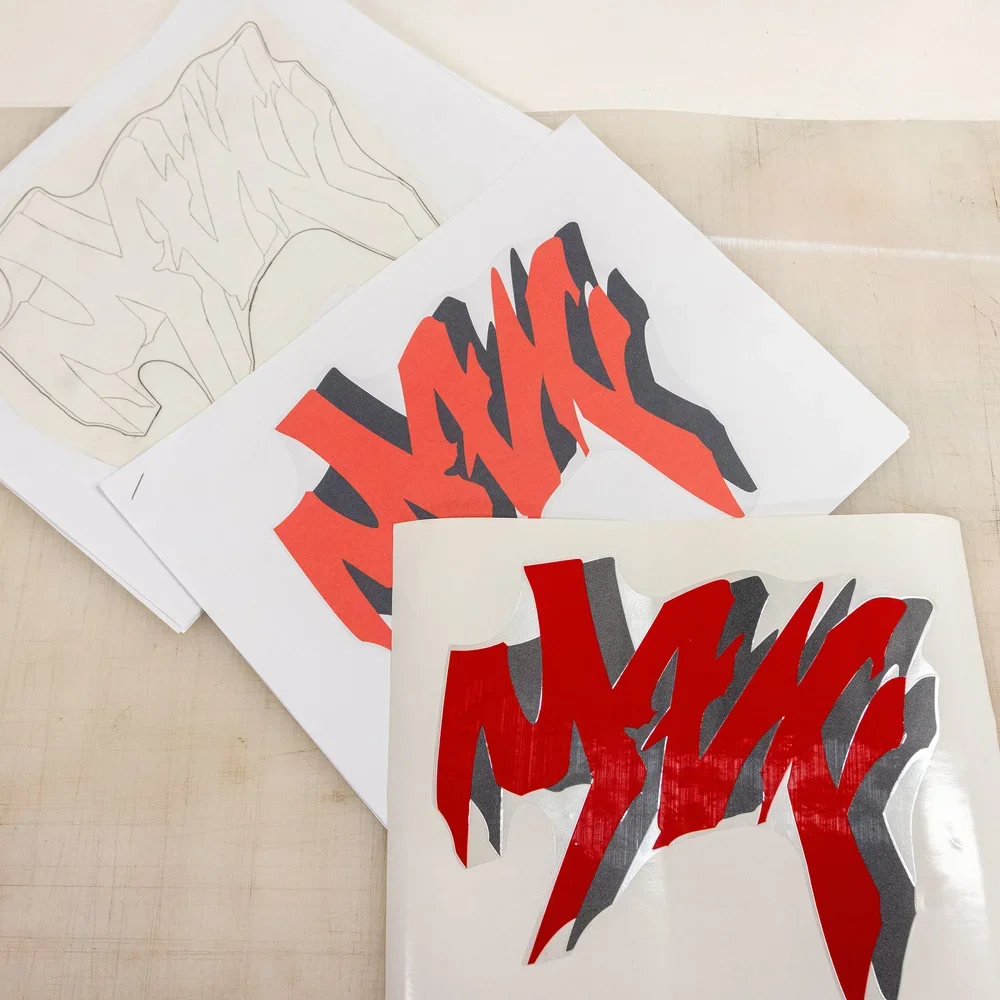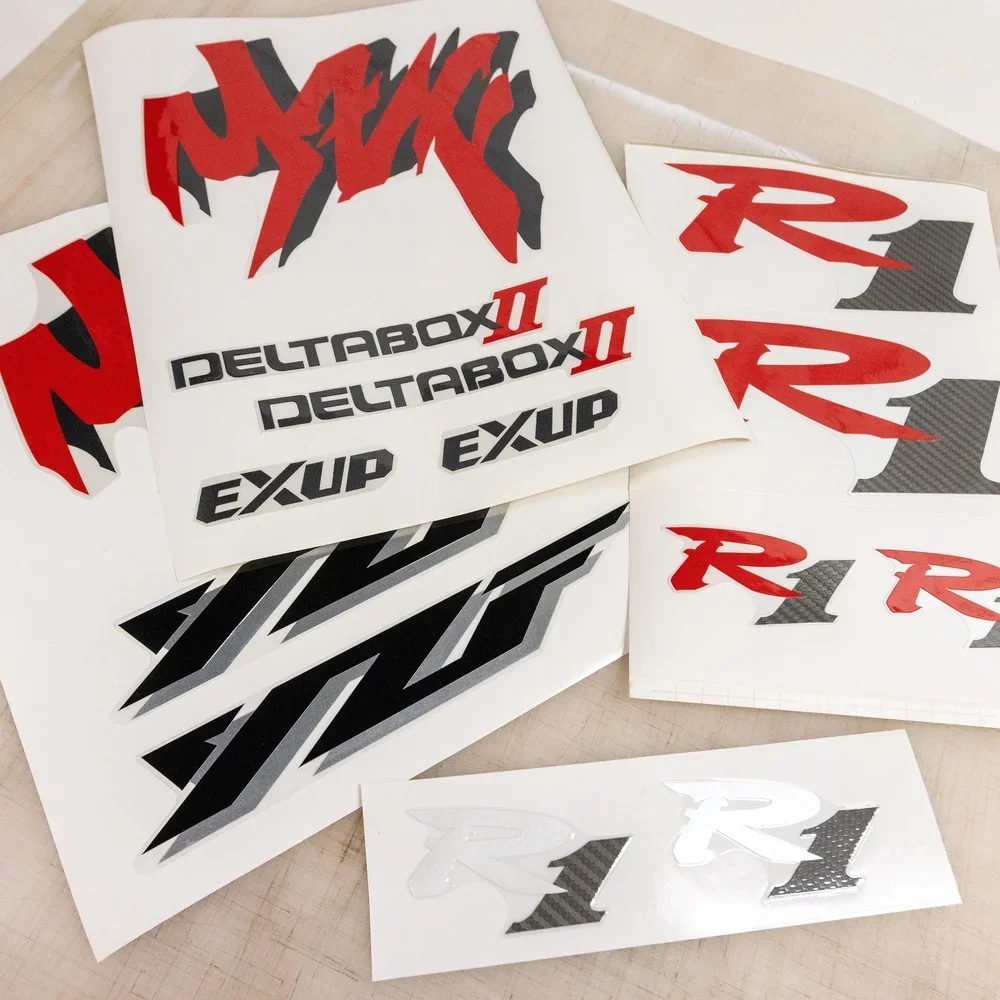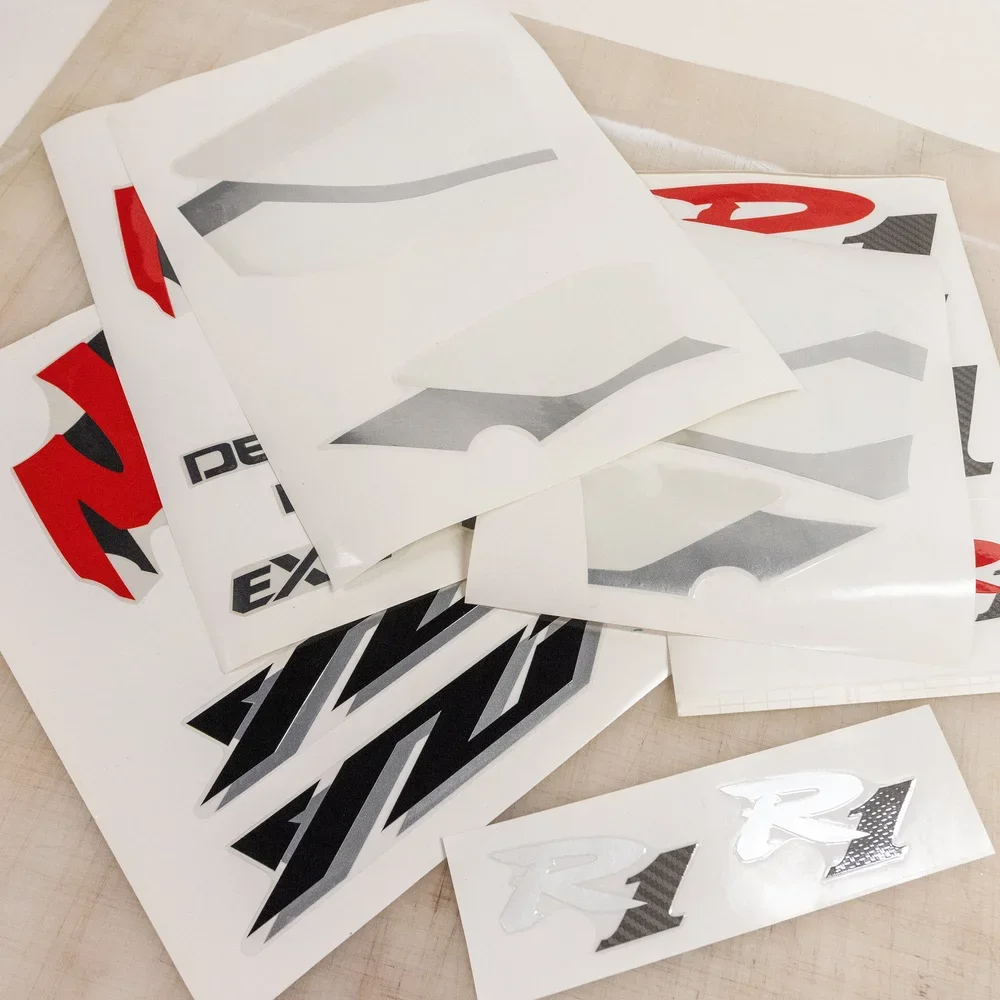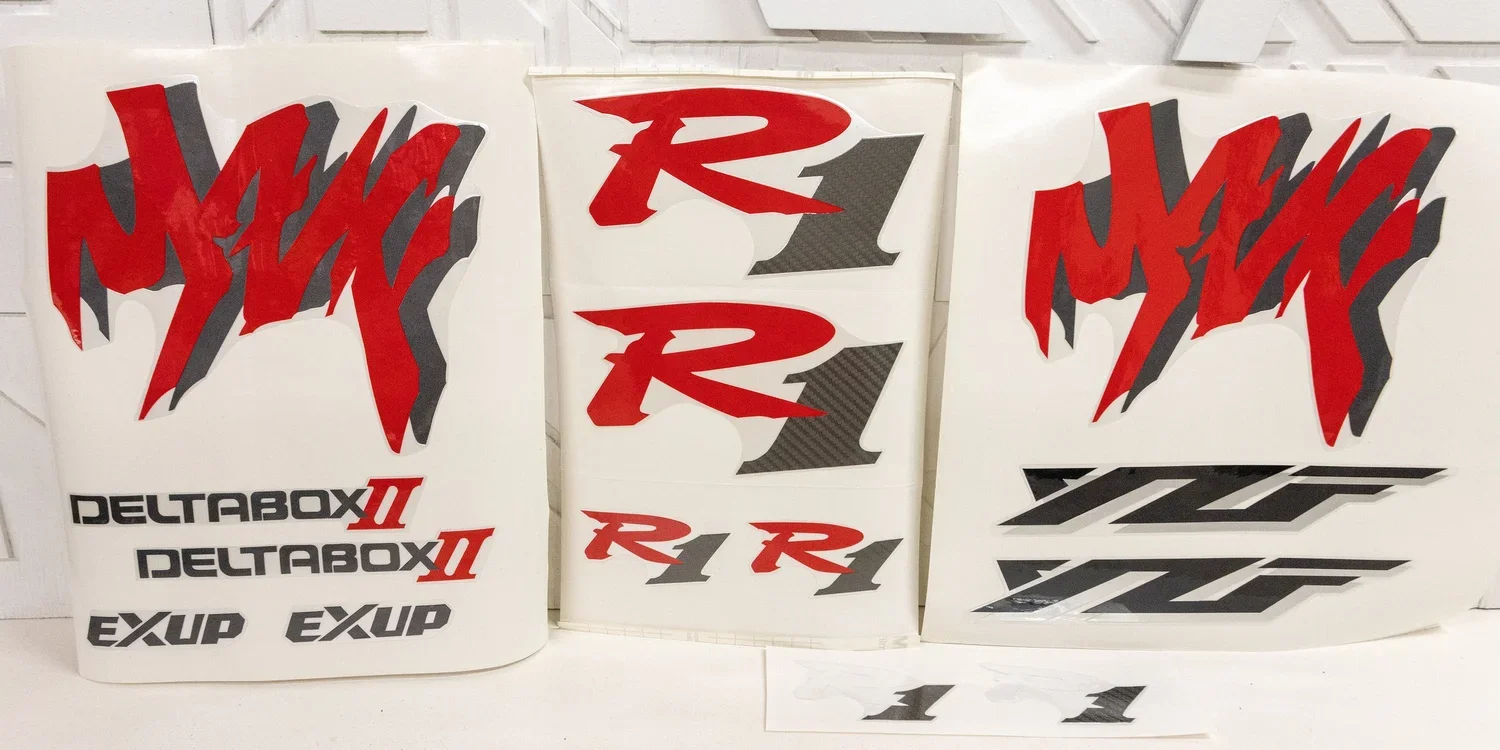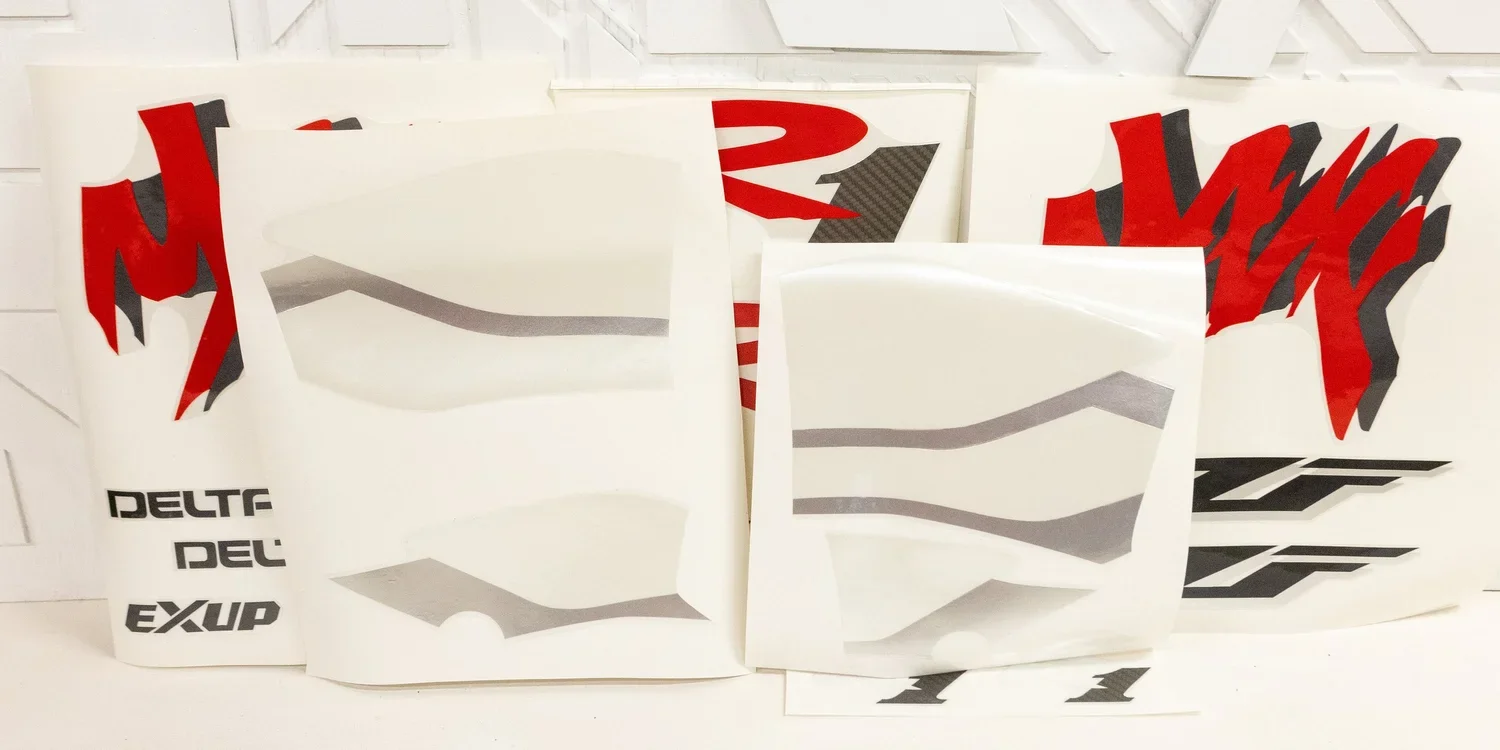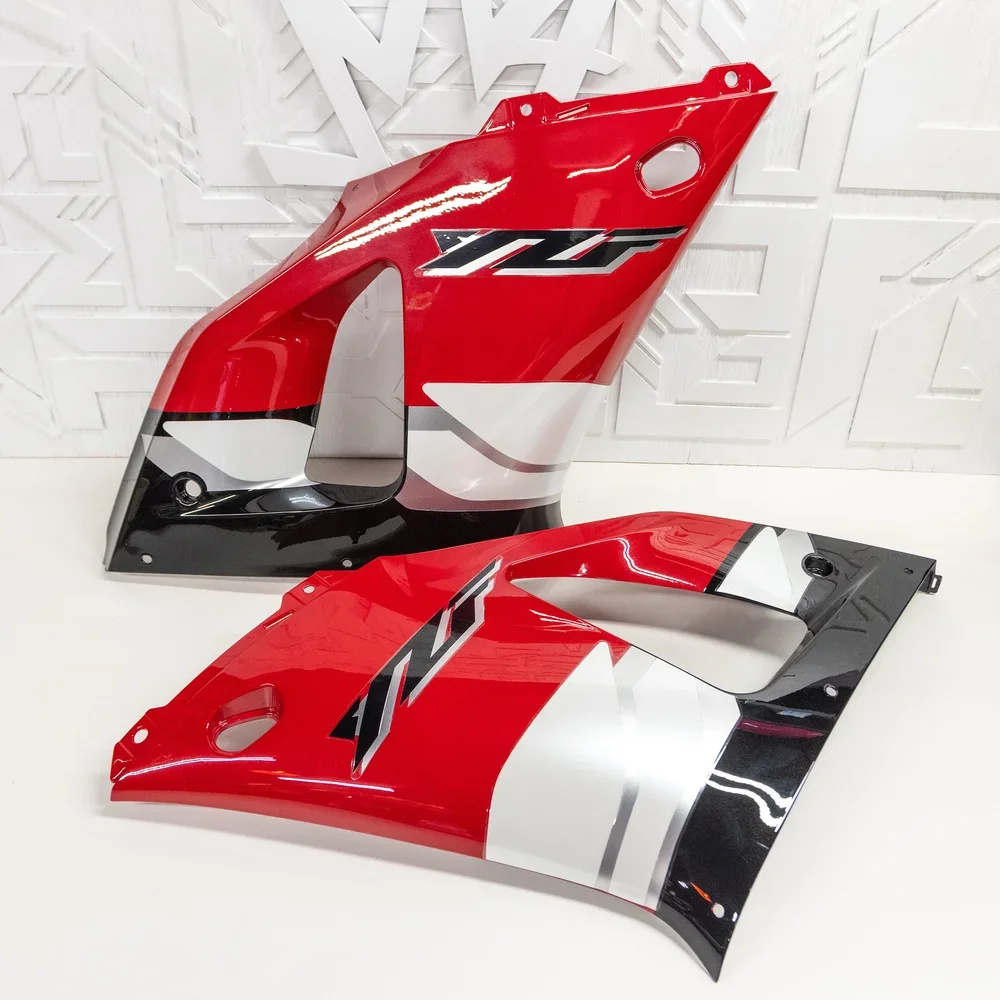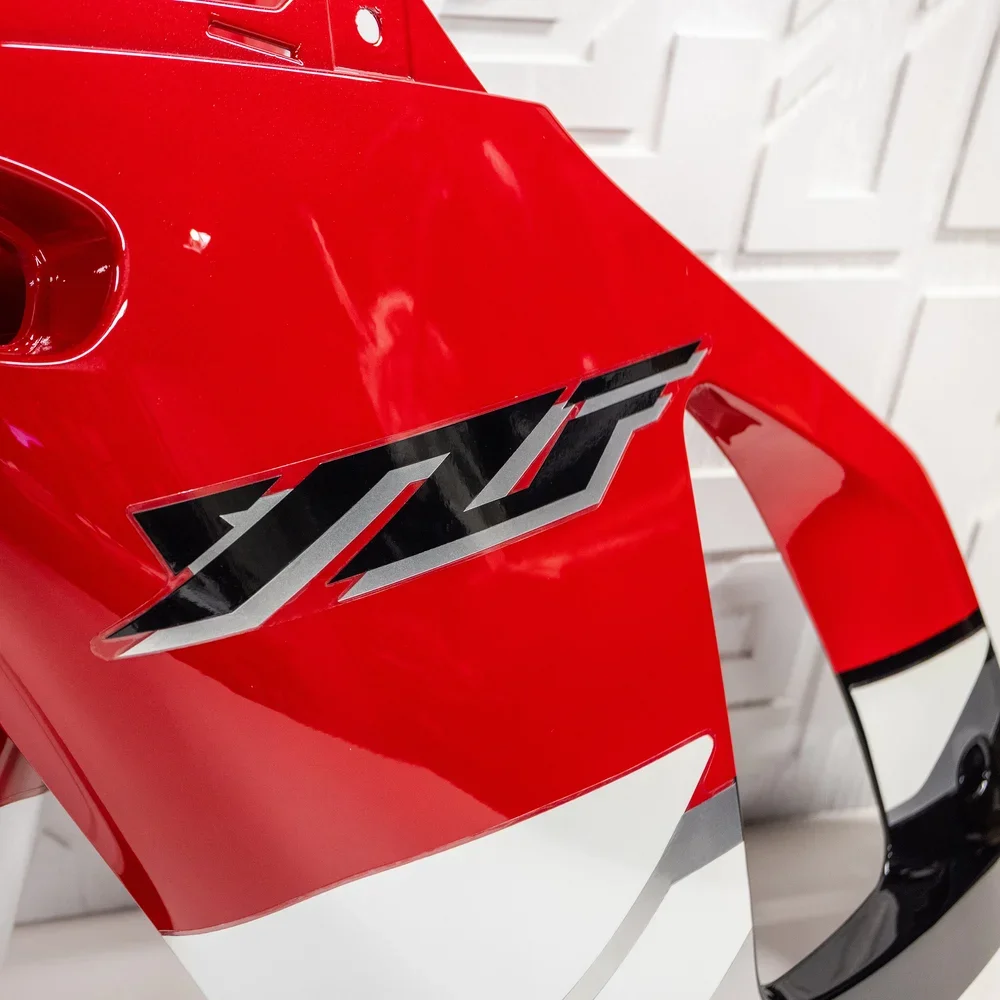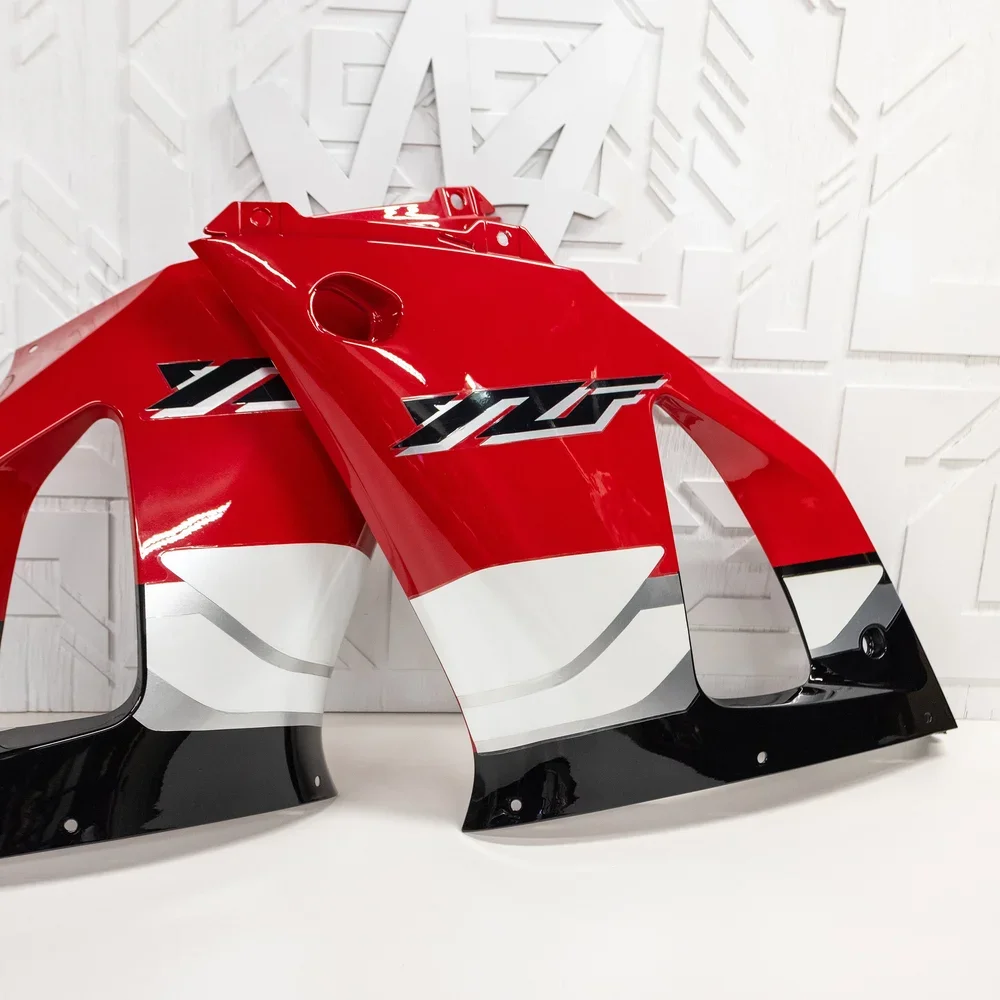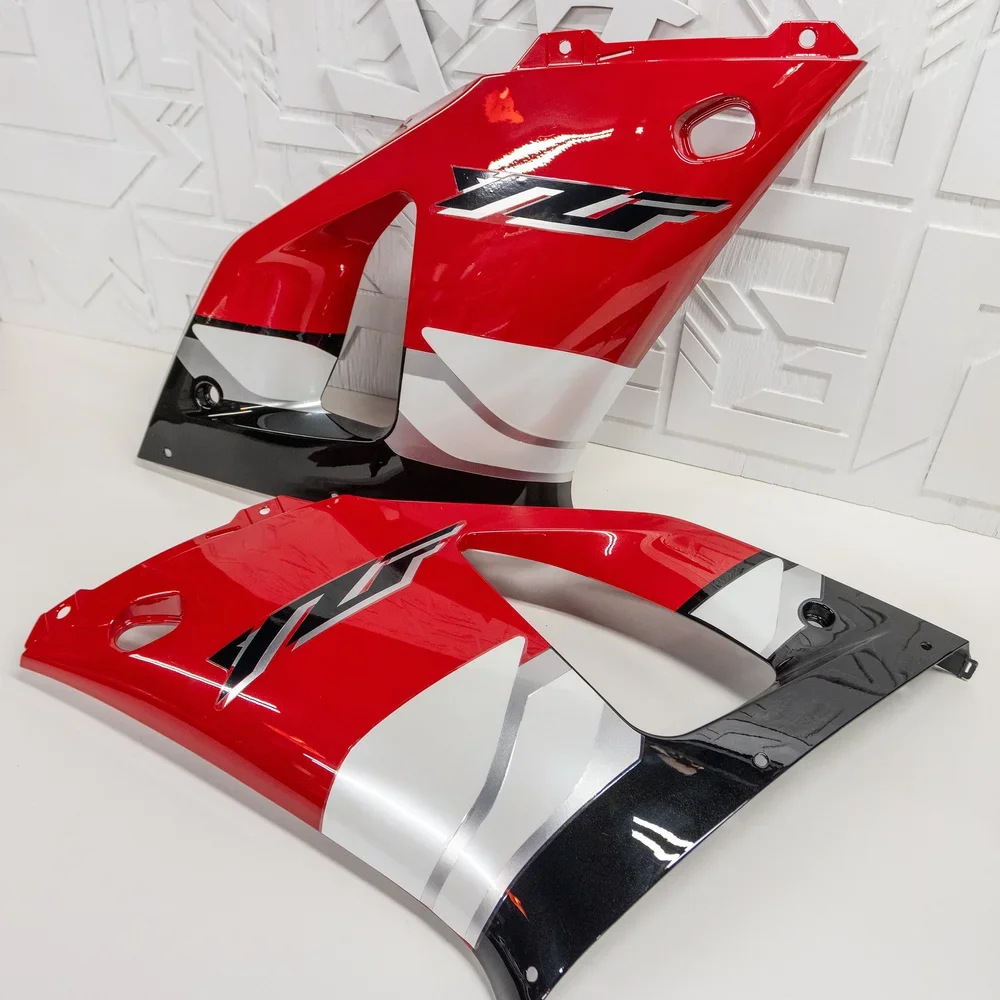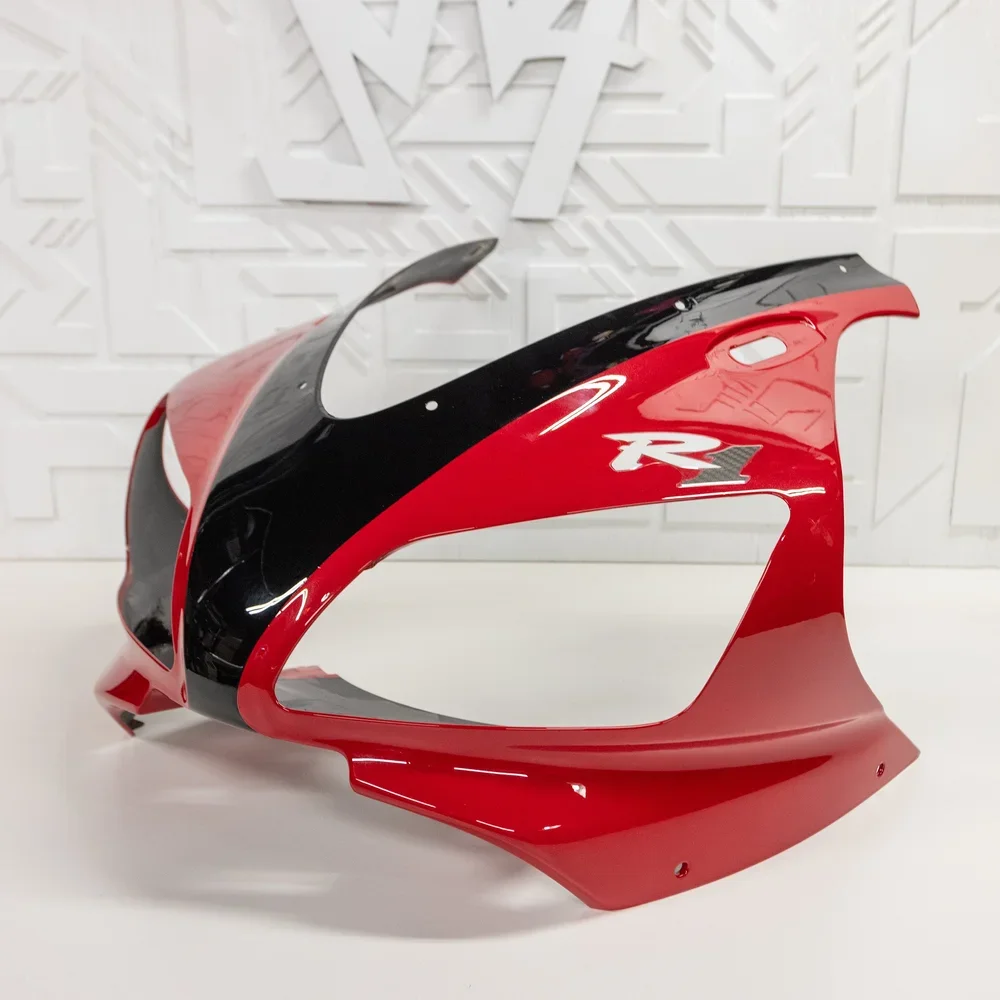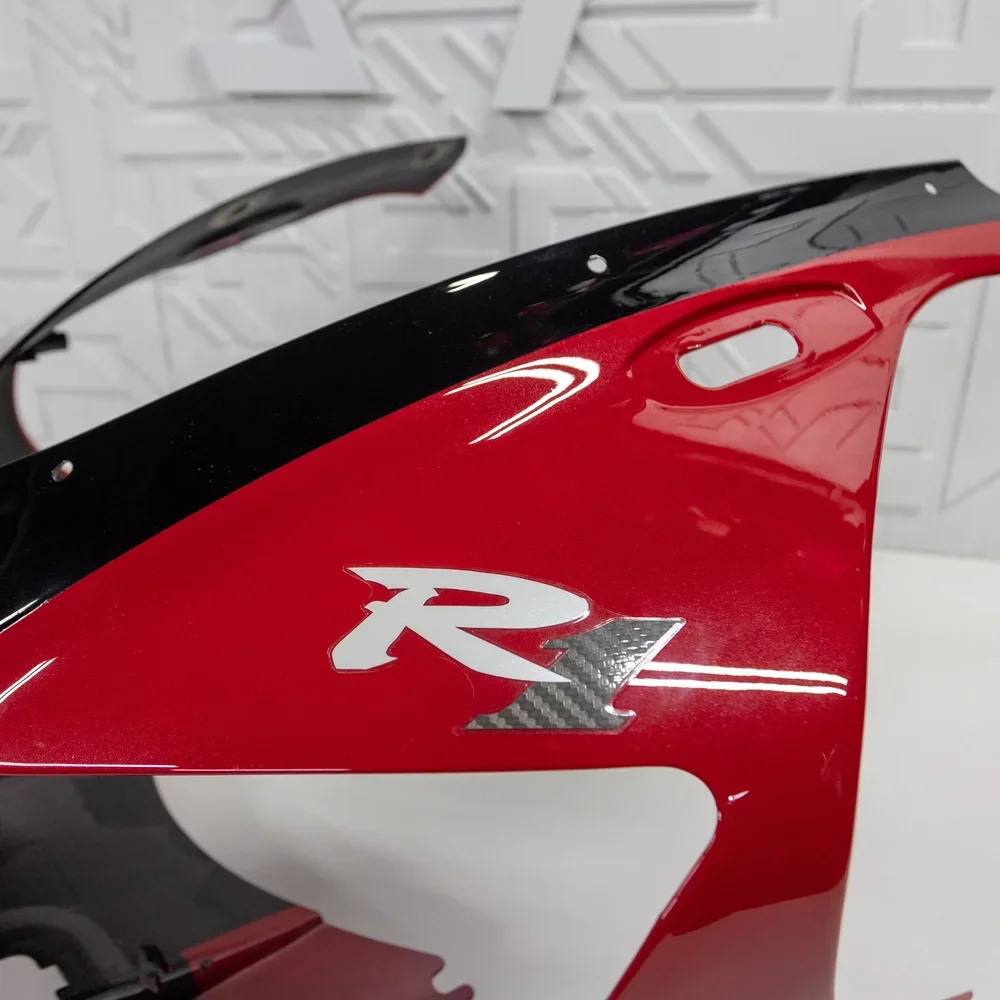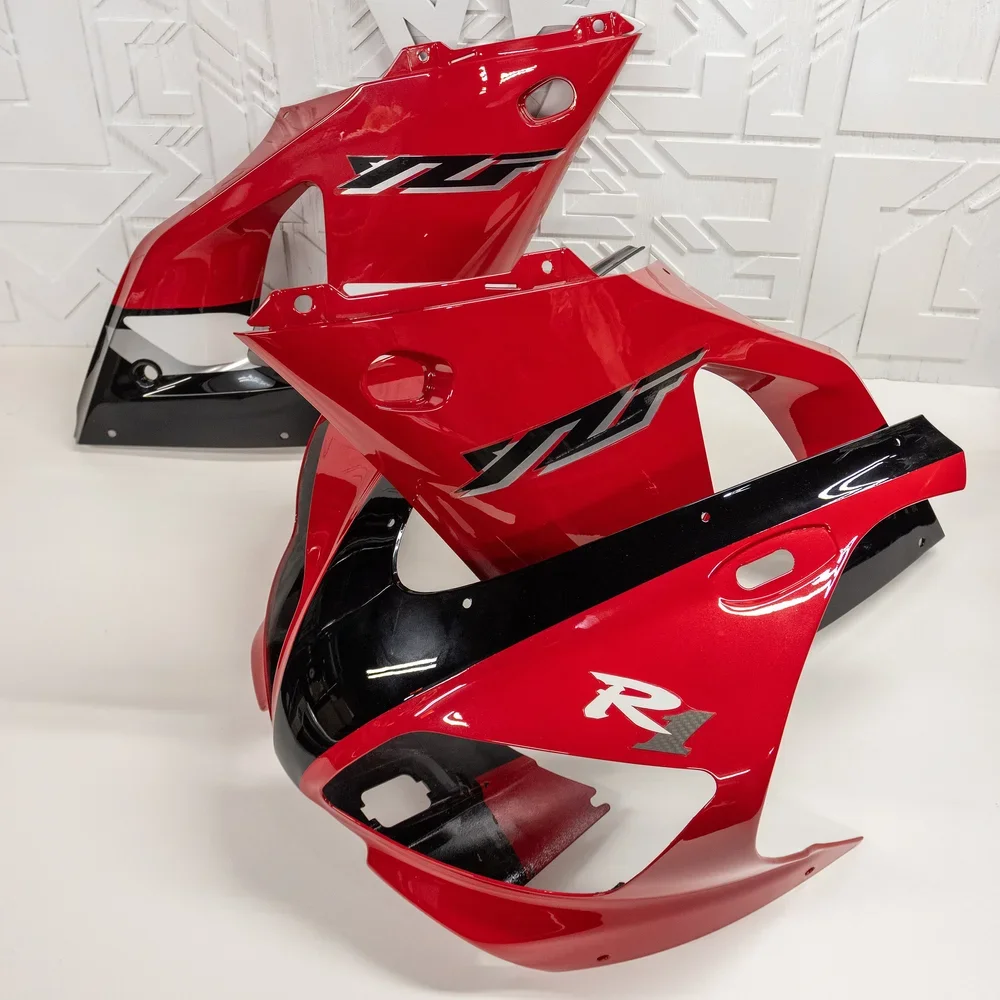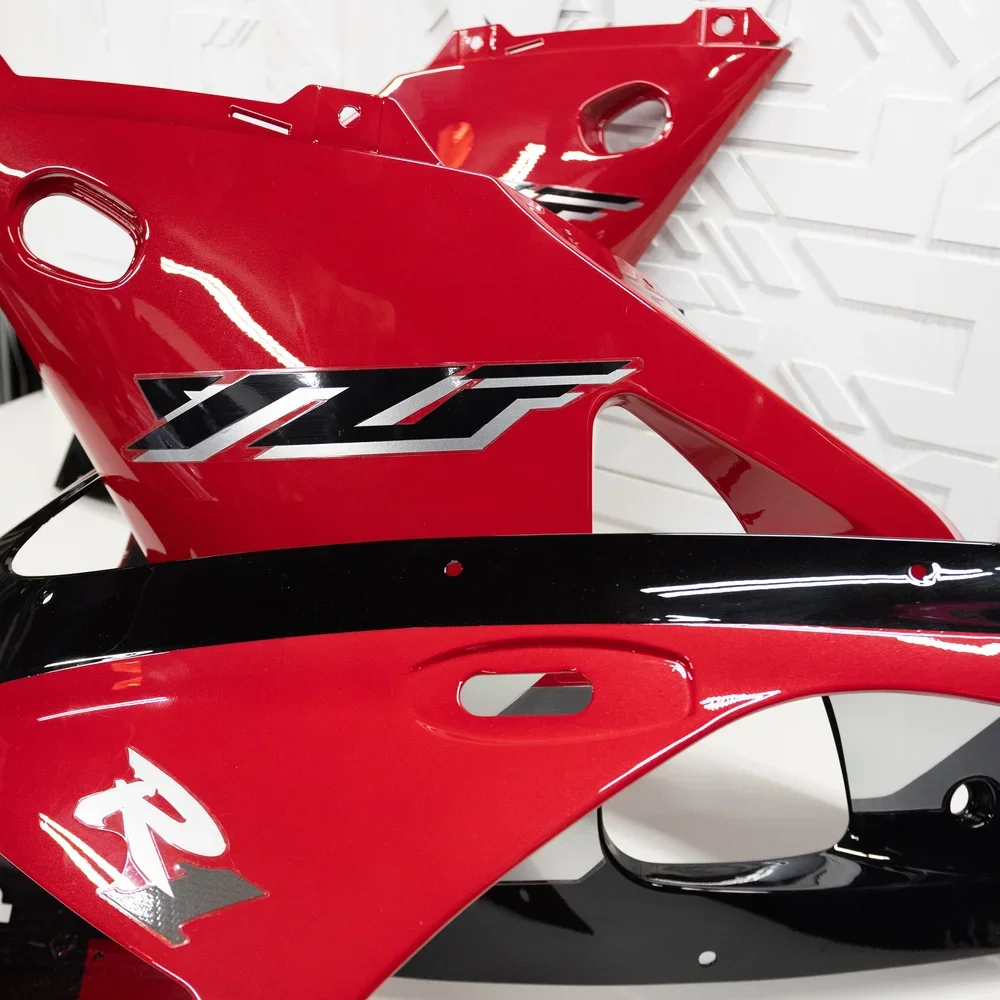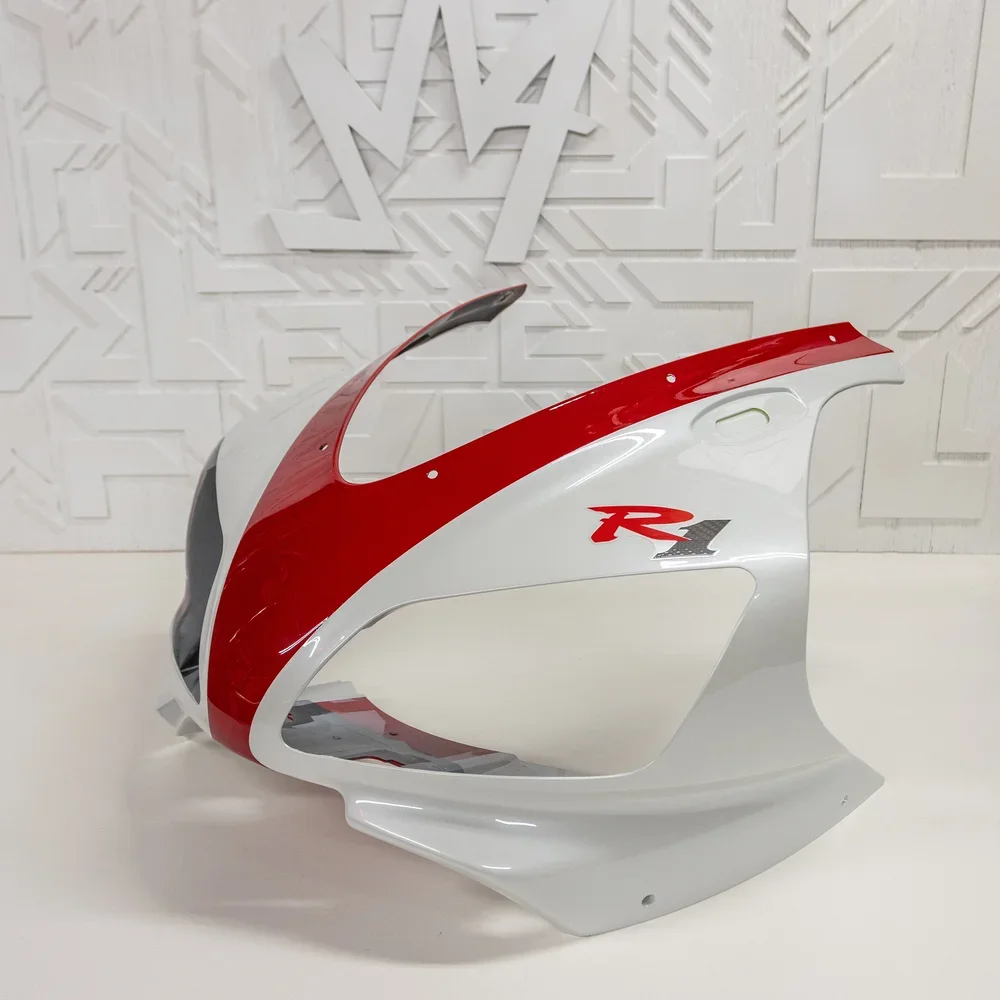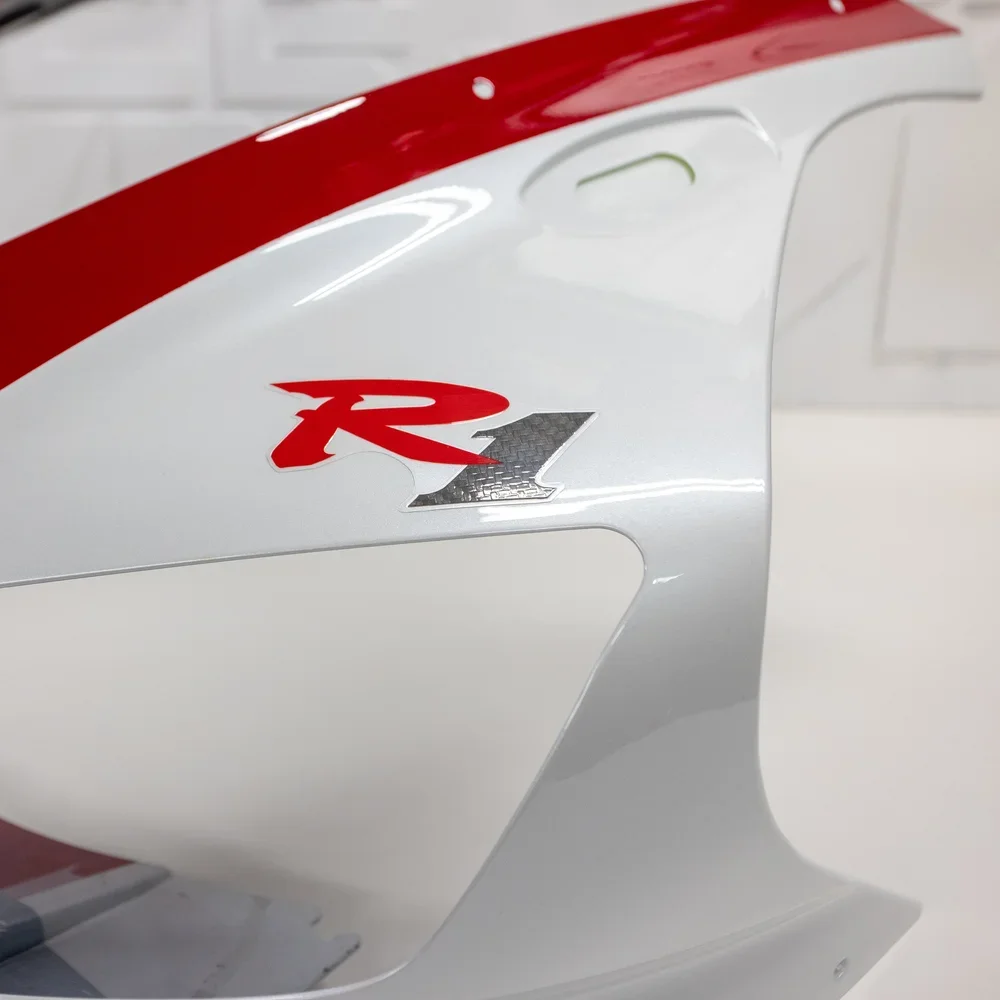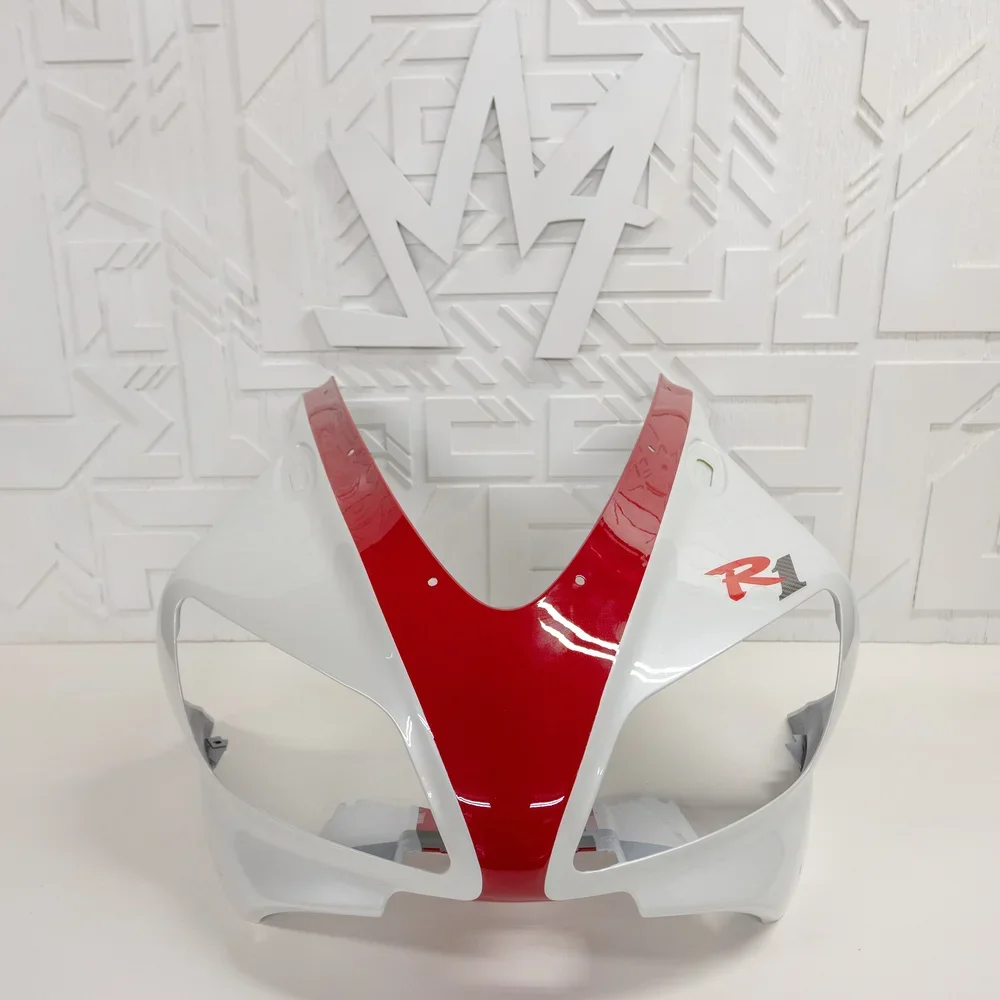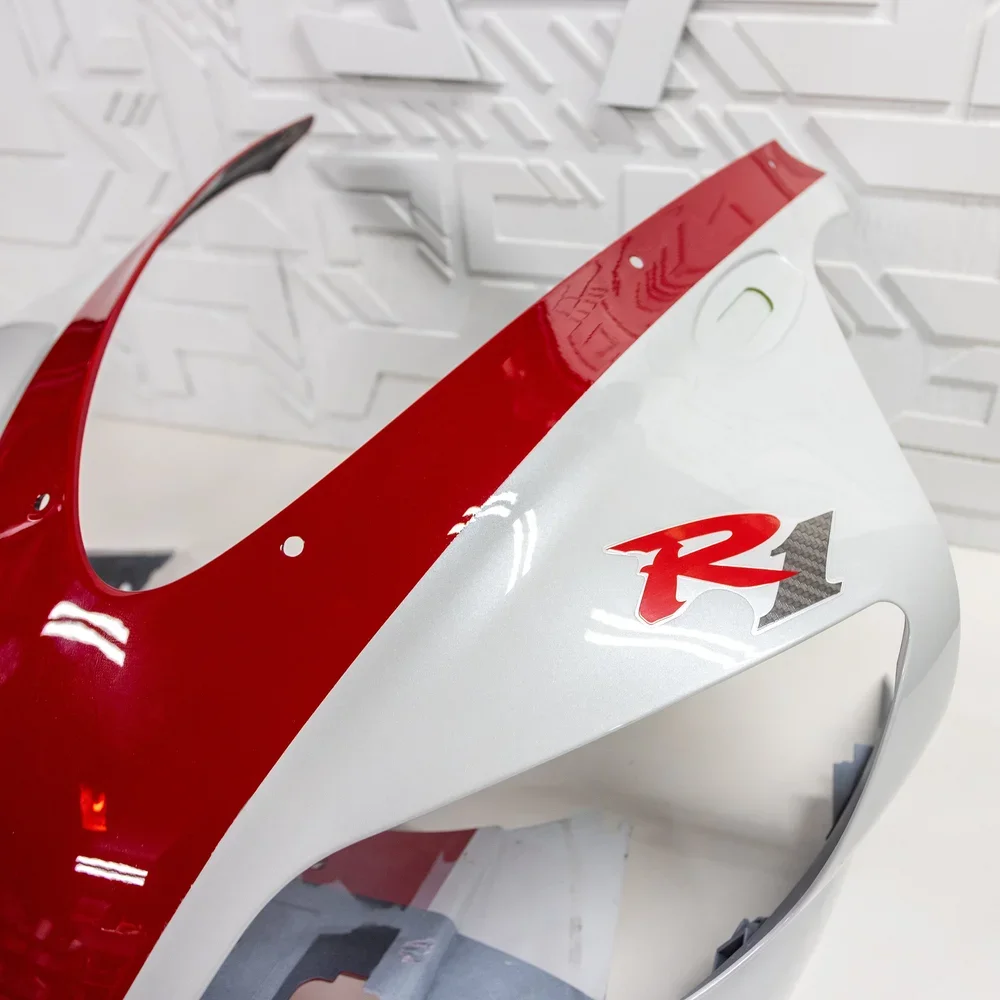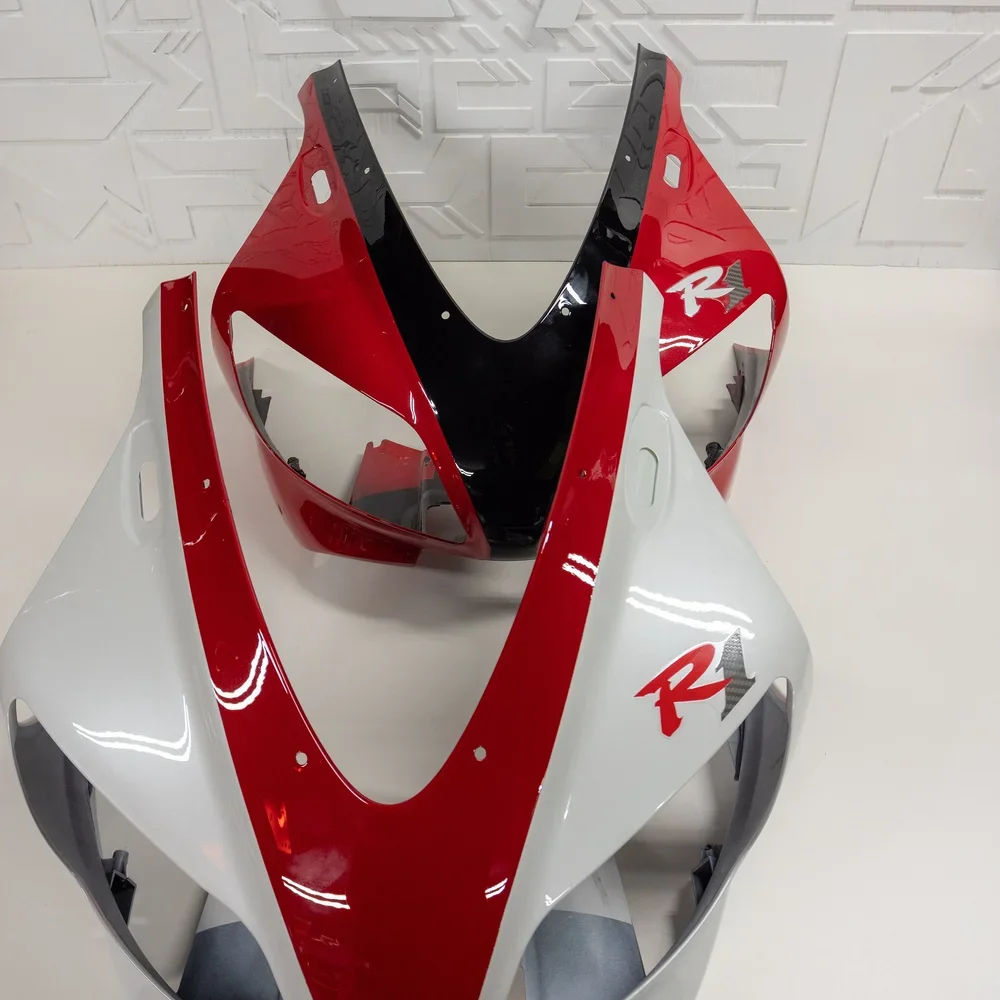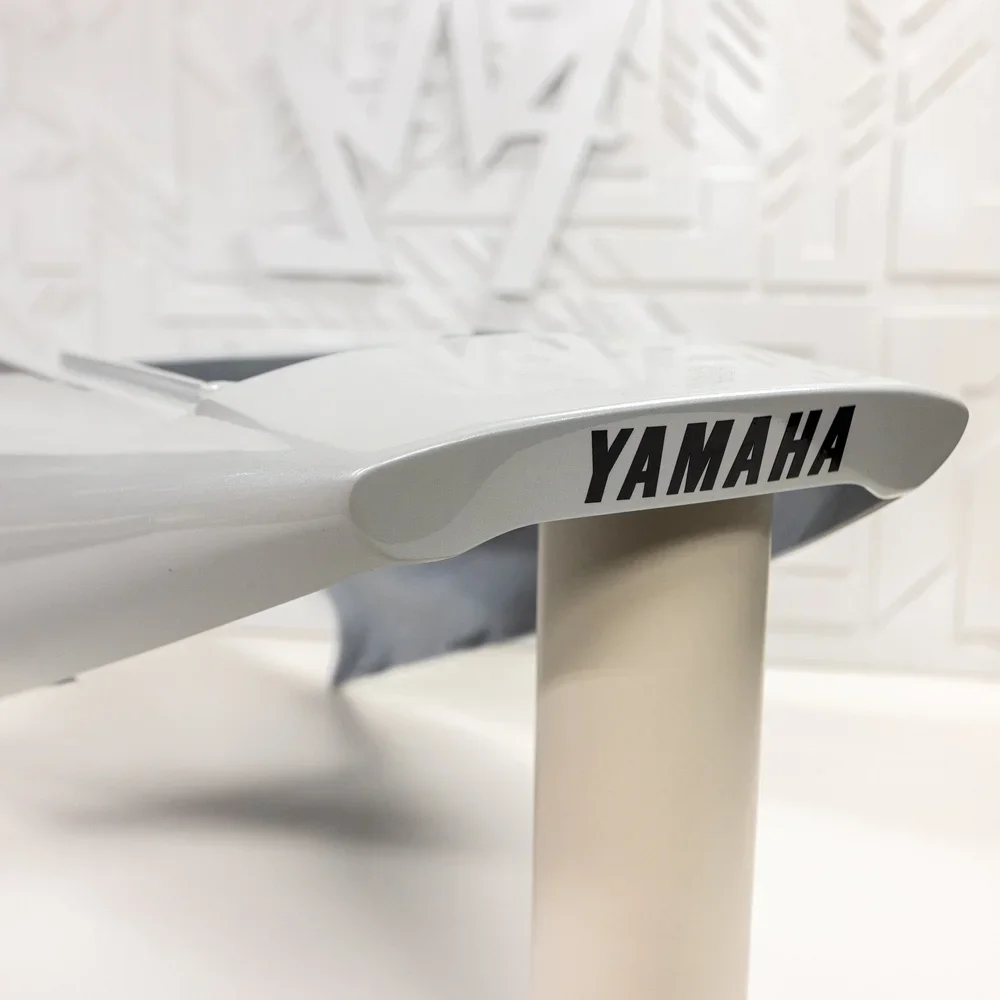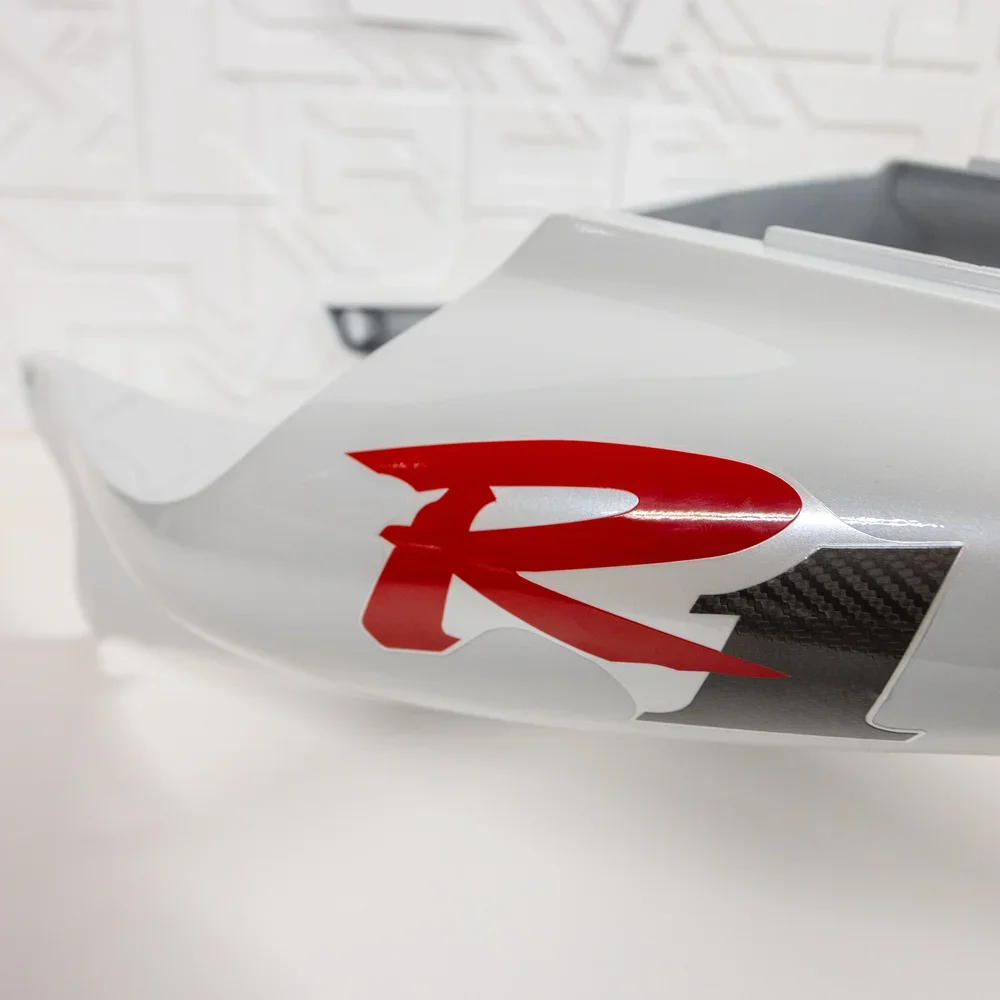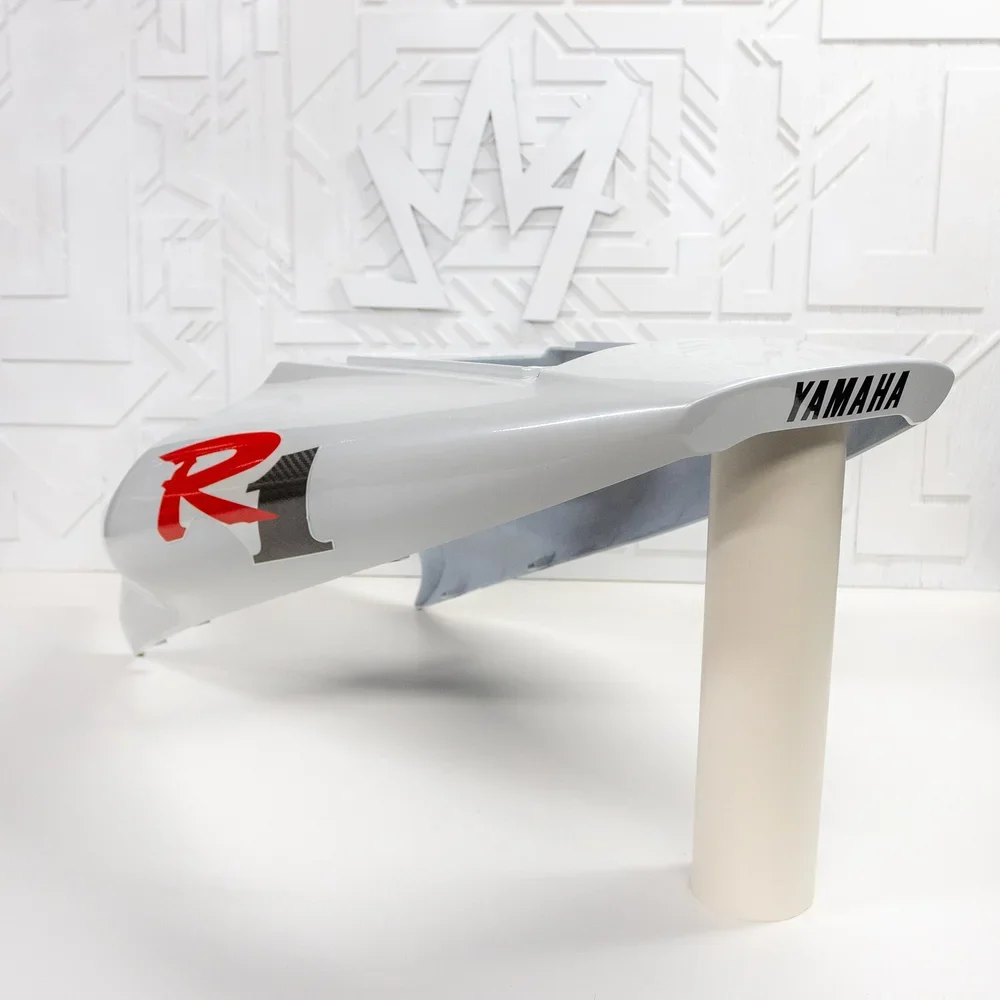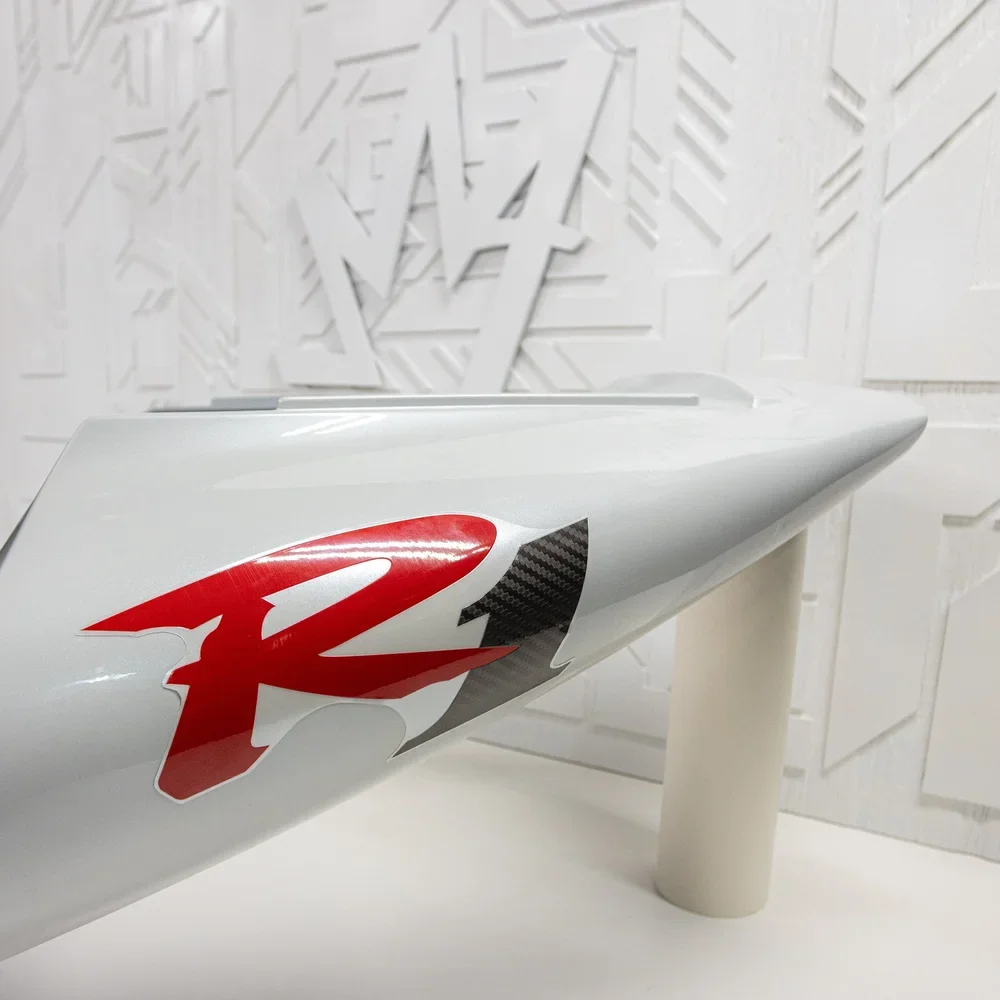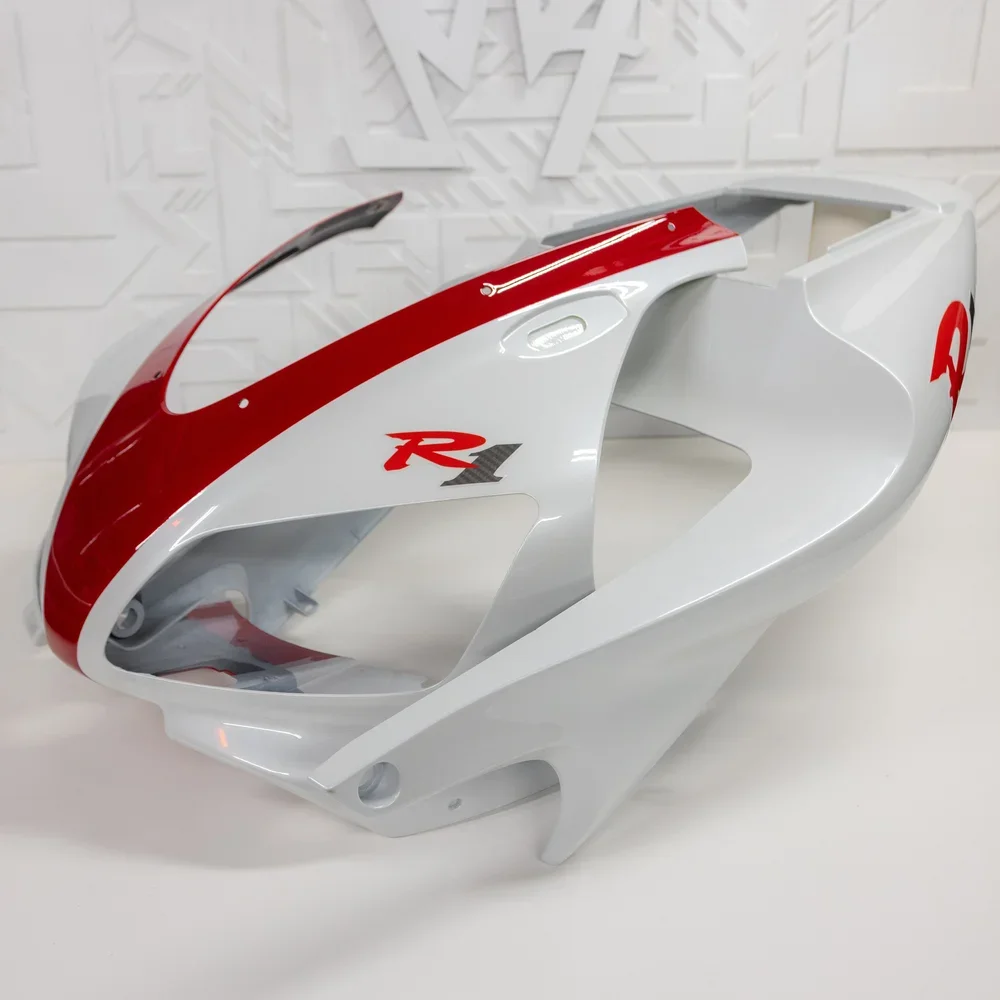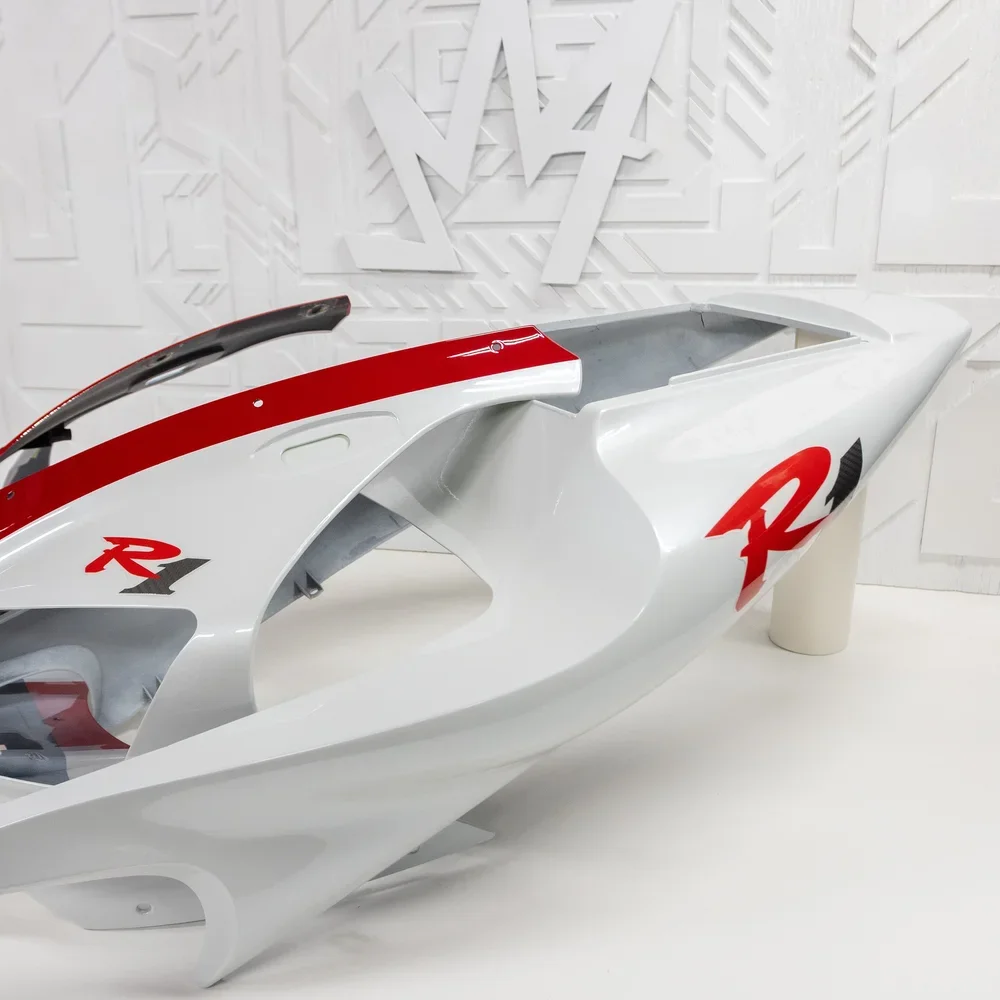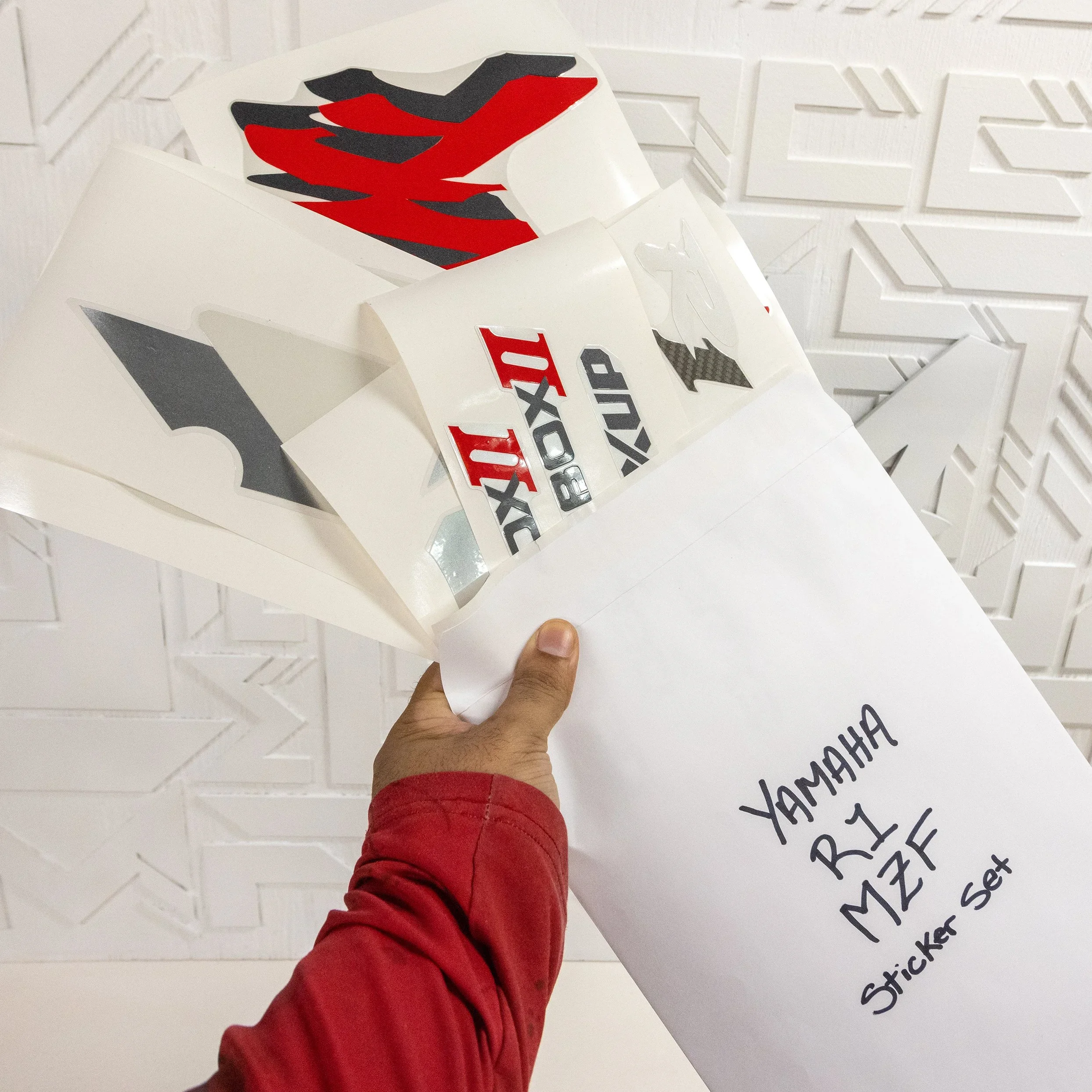
Customers usually bring me an original motorcycle sticker or decal that they want reproduced. In many cases, the original has already been on the motorcycle for years, so it may be faded, damaged, stretched, scratched, or sitting on a curved panel.
That creates one of the first challenges. A scanner works on a flat surface, but motorcycle tanks, side covers, fairings and other panels usually aren't flat. Simply taking a photograph or scanning what is there doesn't necessarily give me the correct shape or proportions for a new sticker.
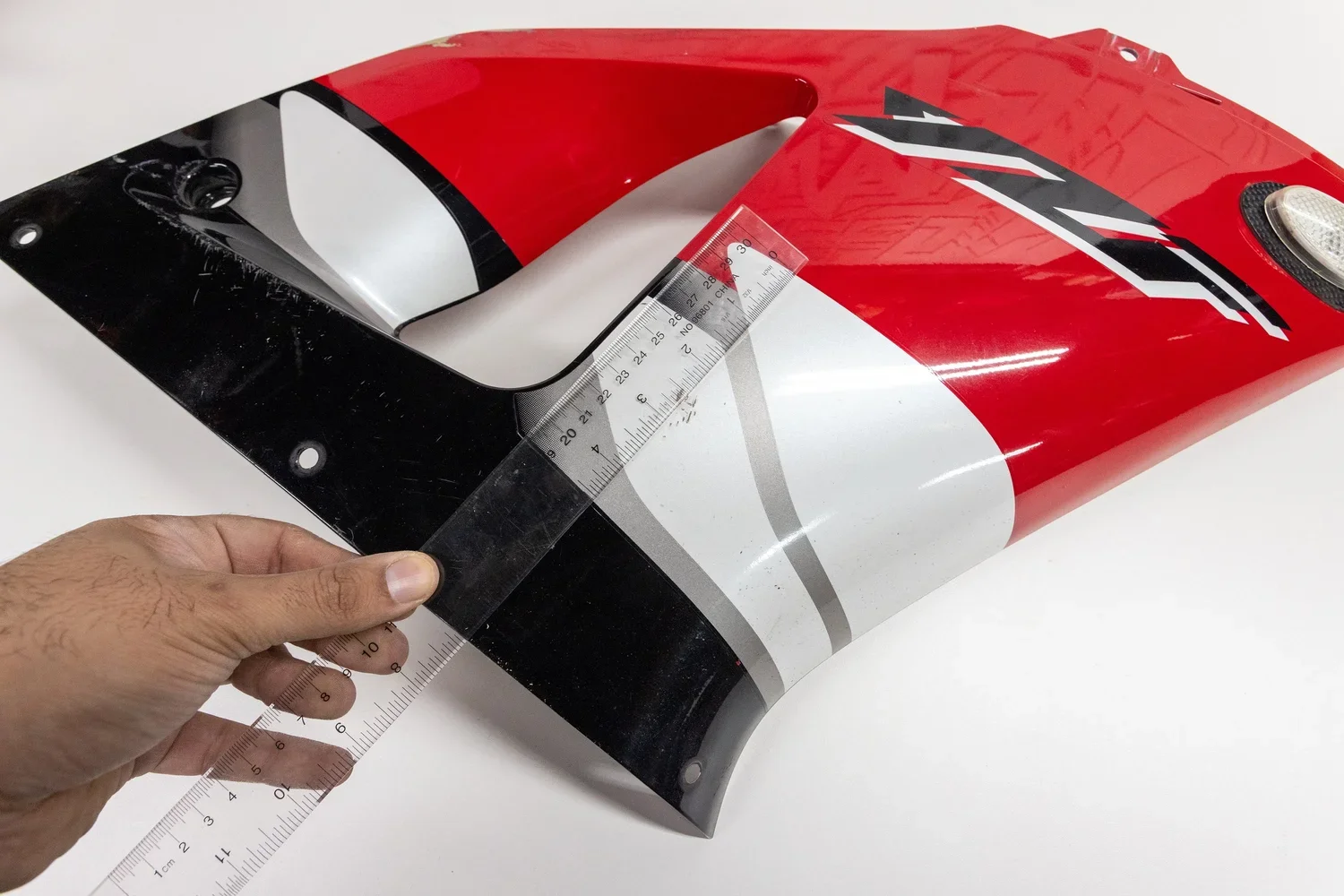
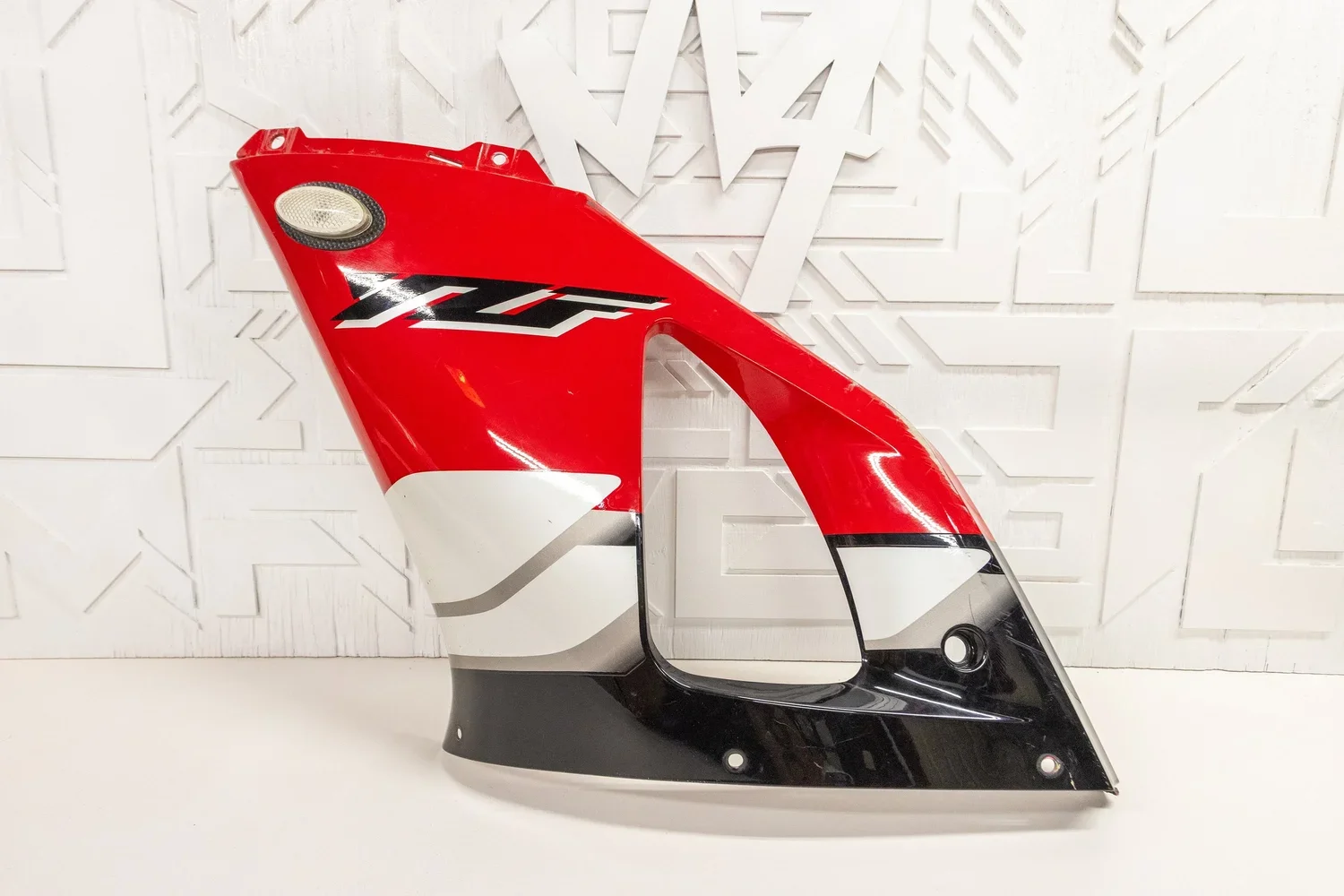
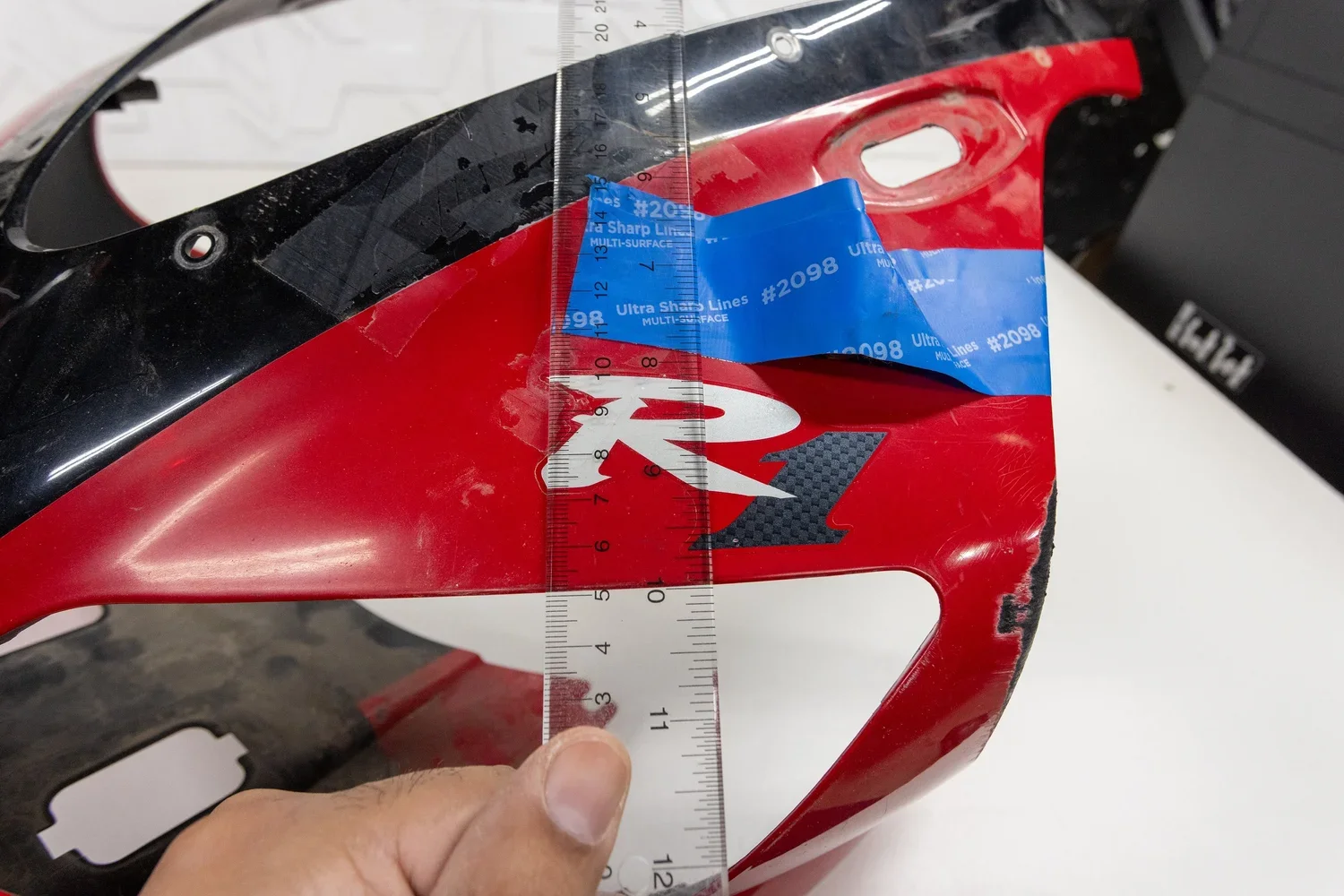
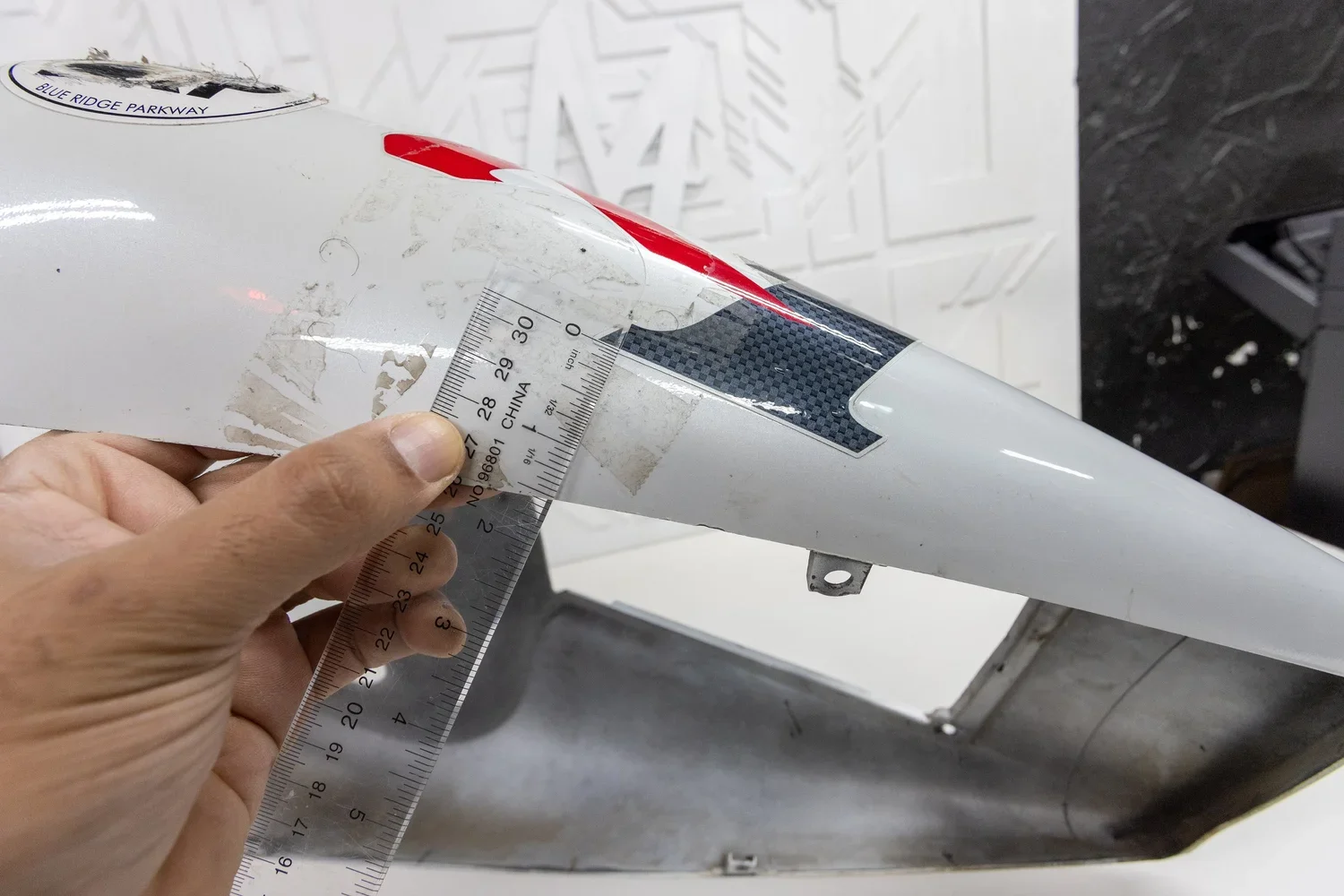
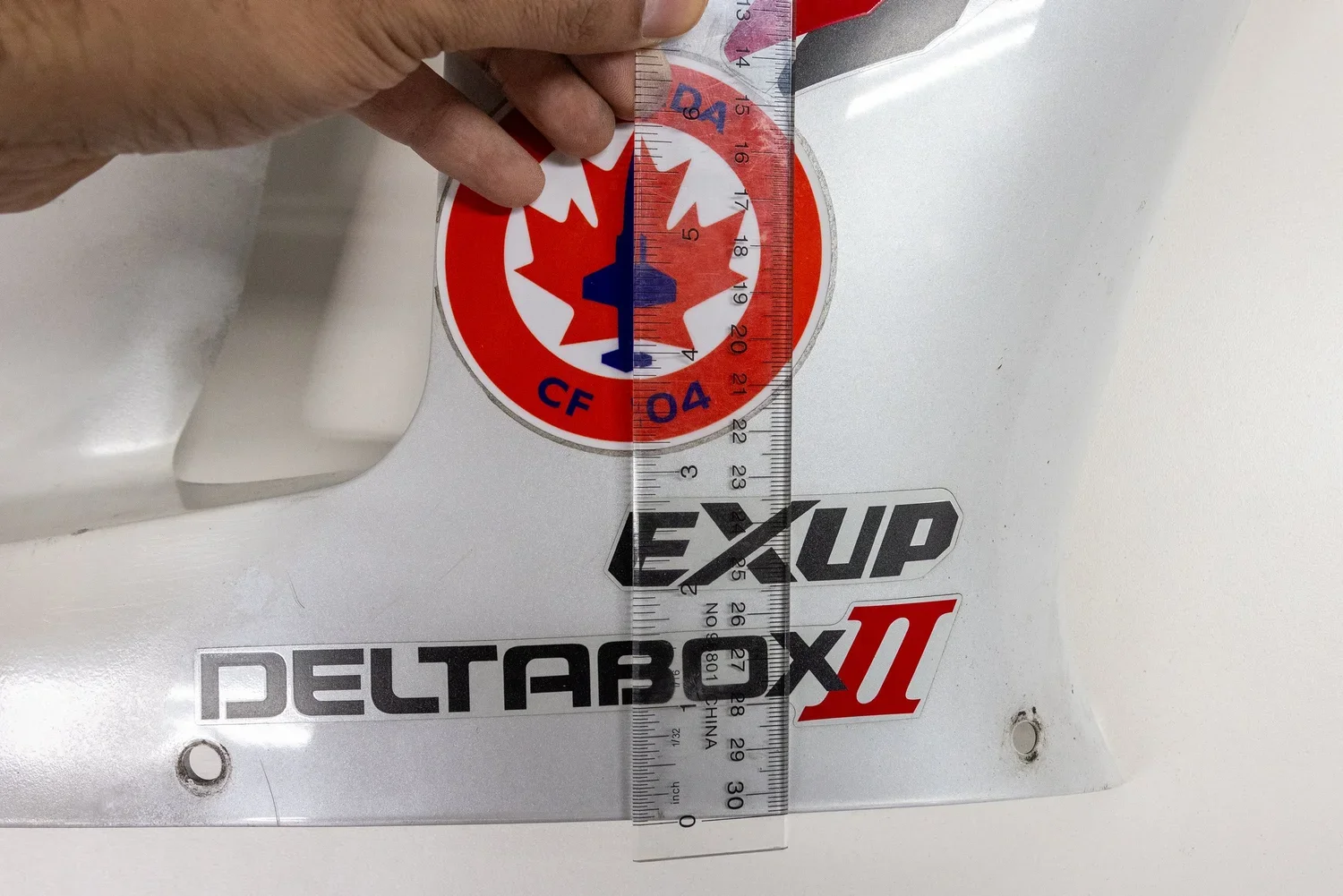
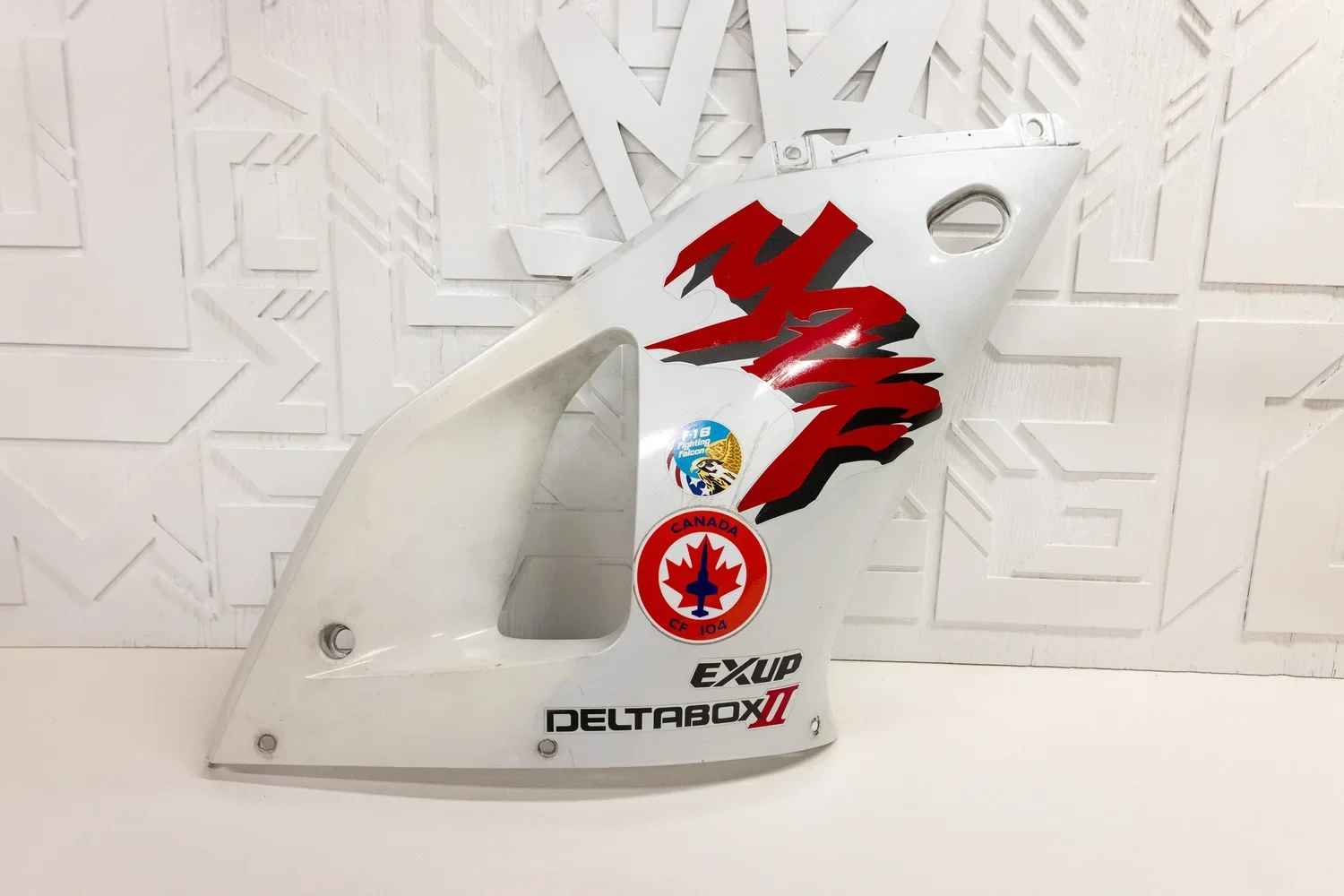
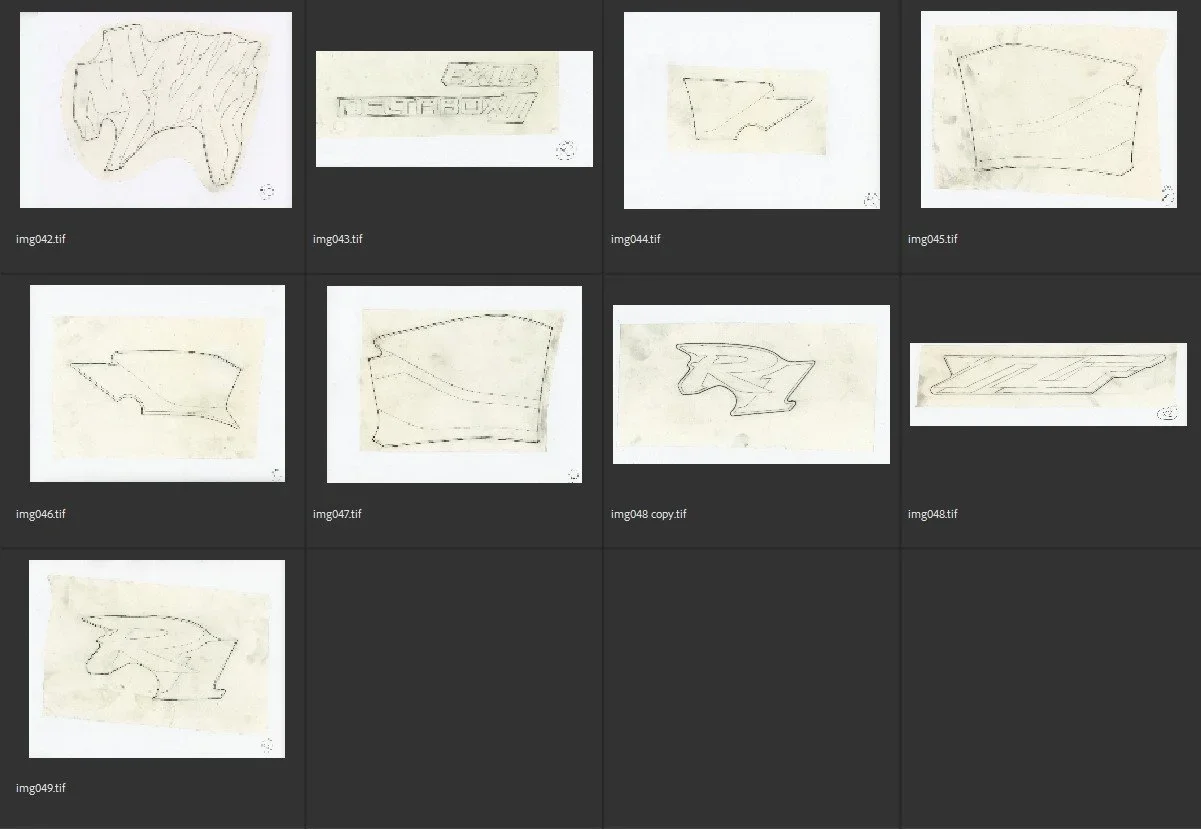
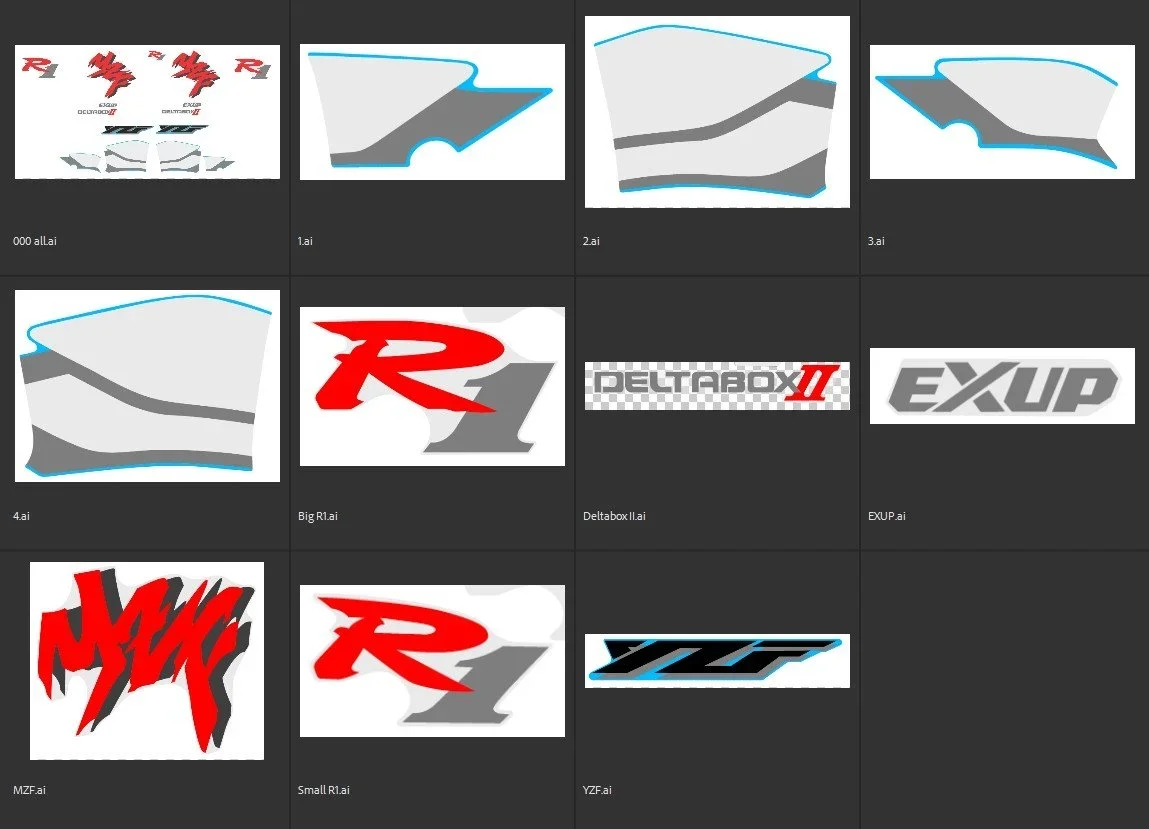
Depending on the decal, I may use tracing paper or draw out parts of the design by hand so I can compensate for the curvature of the original surface. I can then scan that work and bring it into the computer, where I digitize the design and rebuild it into something that can actually be printed.
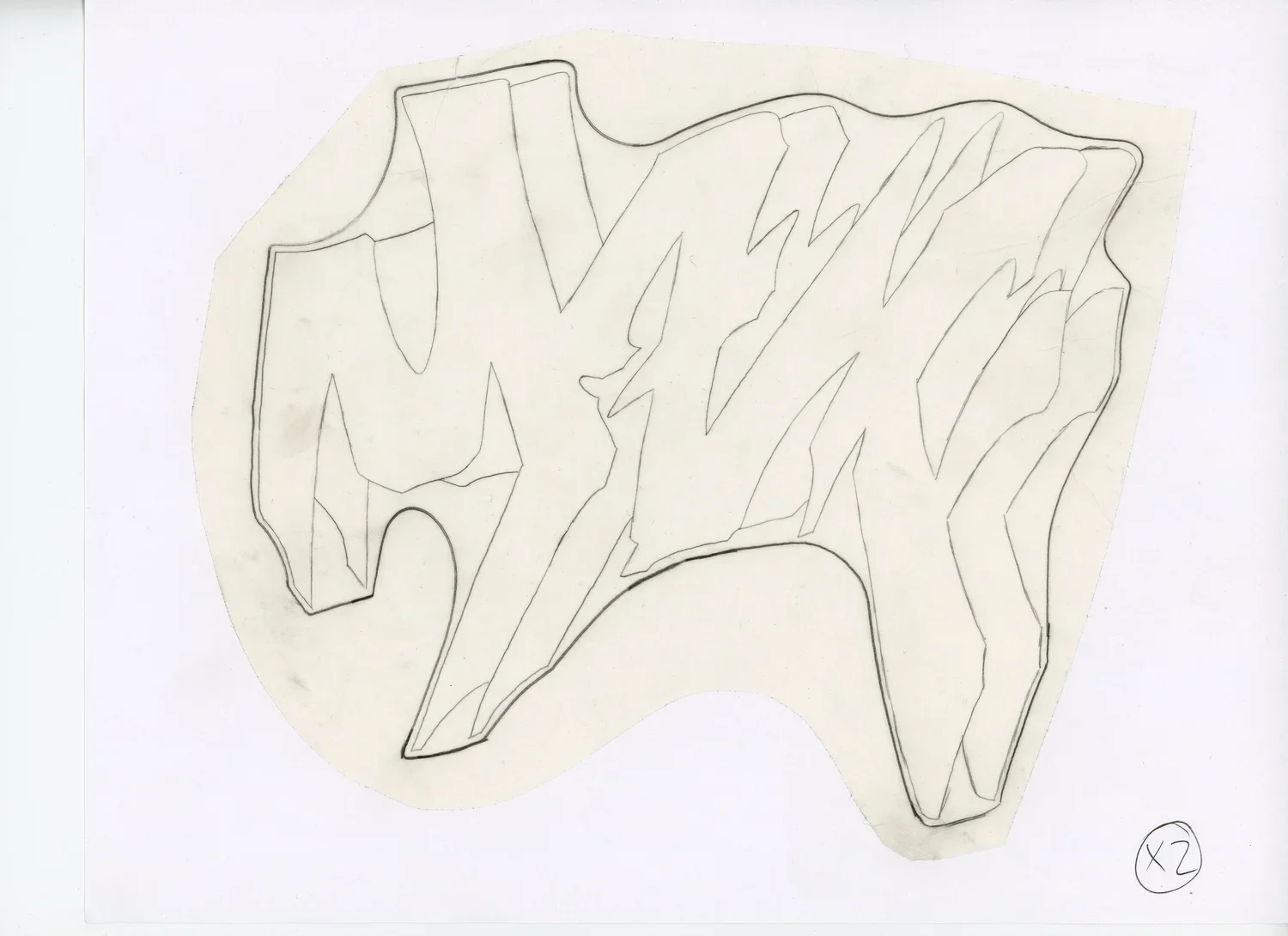
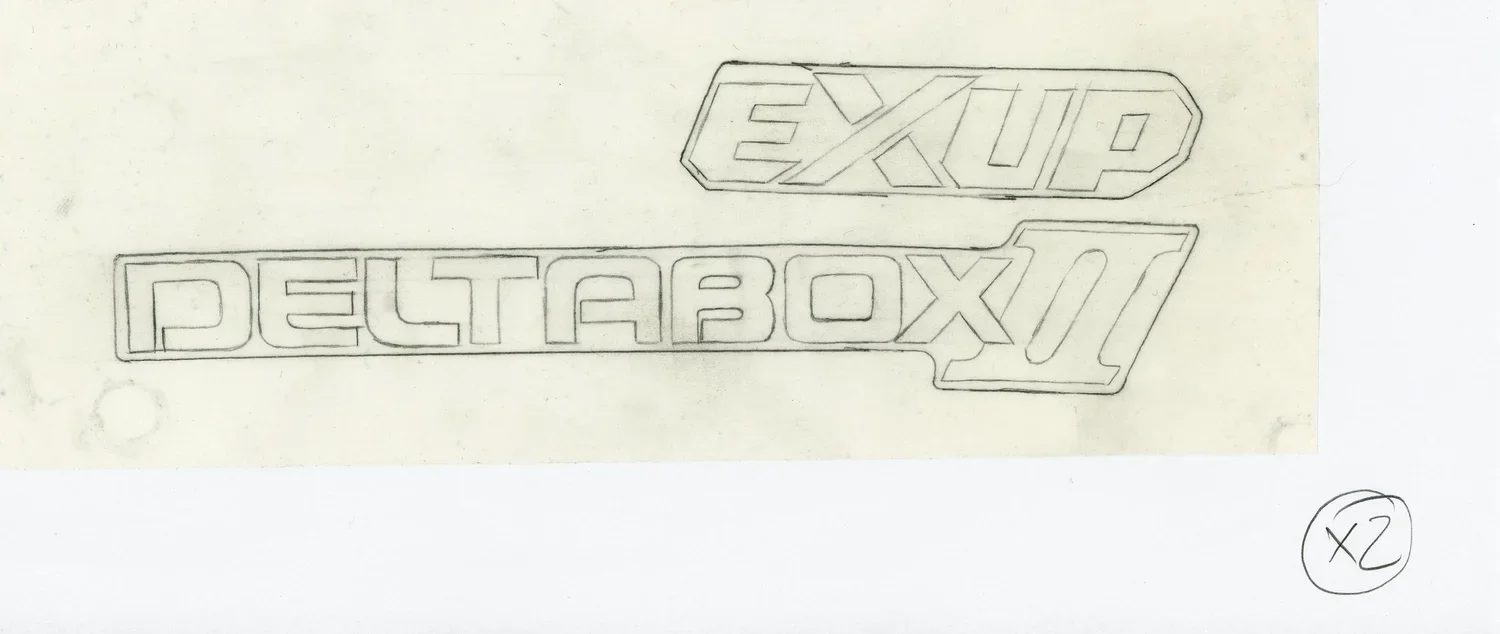
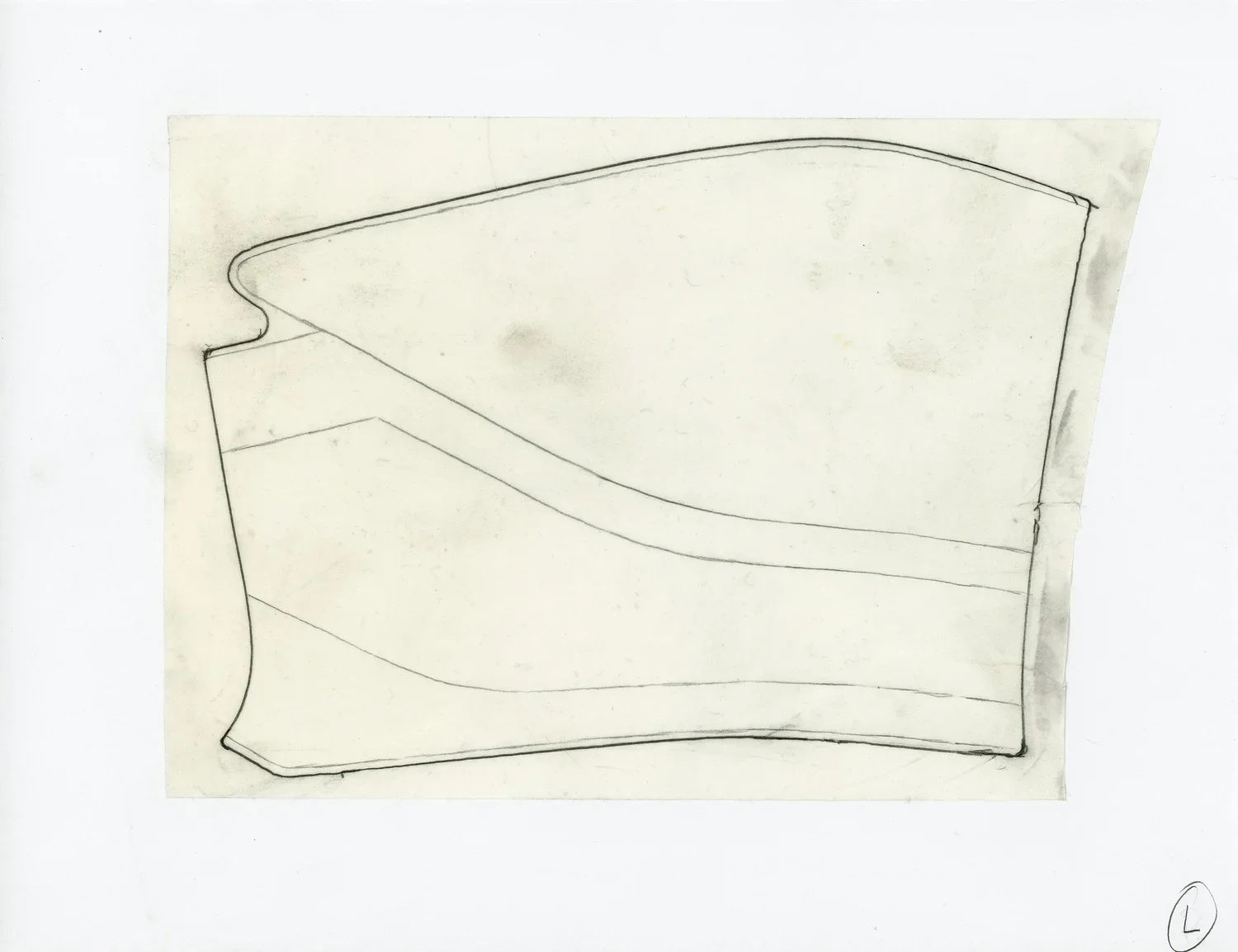
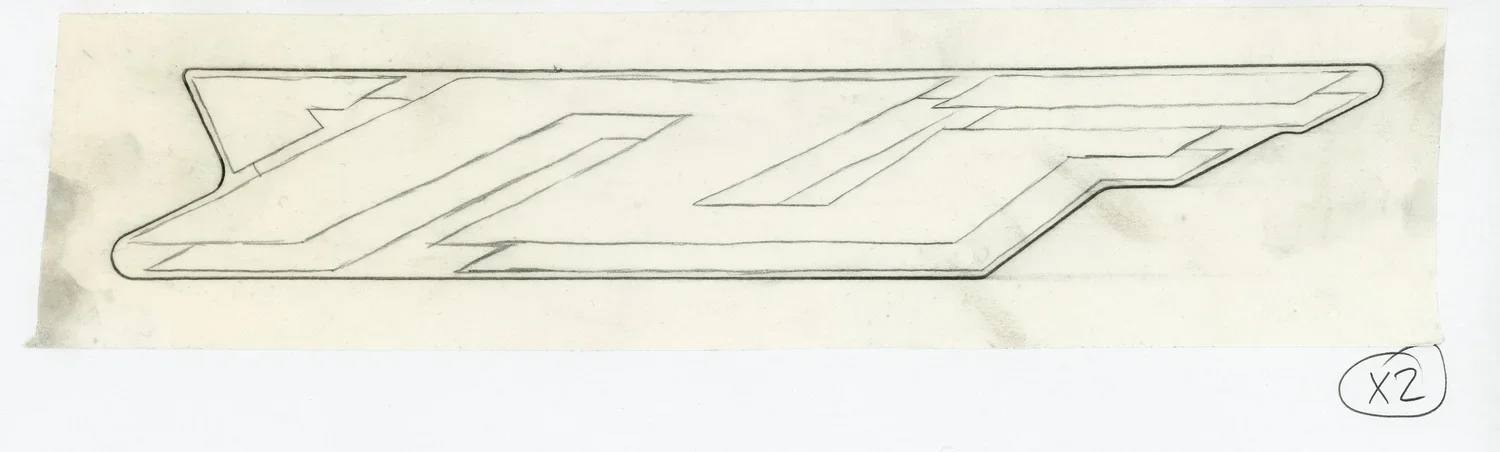
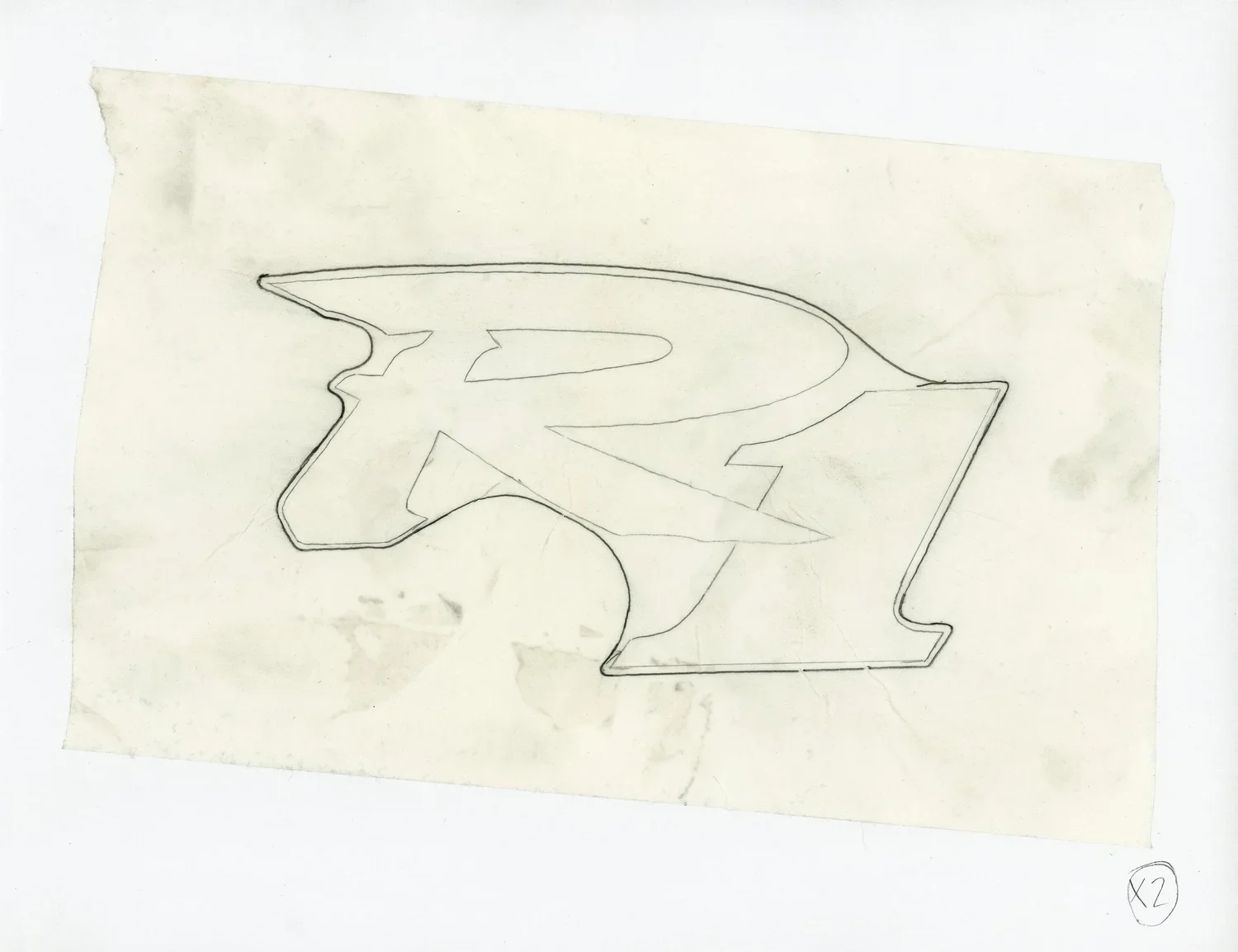
From there, I go through the details: dimensions, curves, line thicknesses, spacing, lettering and overall proportions. Everything has to work together, because even a small difference can become noticeable once the finished decal is applied to the motorcycle.
Colour is another part of the process. The colour you see on a computer screen isn't necessarily the colour that comes out of a printer. Different printers, inks and materials can also produce slightly different results. That means calibrating, test printing, comparing against the original and making adjustments until I get the colour and tone where I want them.
There is also the question of how the original sticker was printed. Older motorcycle decals were produced using different printing technologies than we commonly use today. Screen printing, offset printing and other older processes each left their own characteristics in the finished artwork. You might see the texture of a screen, small halftone dots, slight variations in the ink or other details that were simply part of how things were printed at the time.
Modern digital printers can produce extremely clean and solid artwork, but sometimes that actually makes a reproduction look too new. When necessary, I recreate some of those original printing characteristics digitally so the finished decal has the appearance of the original rather than looking like a modern interpretation of it.
Some decals also require metallic gold, silver or other specialty finishes that can't necessarily be produced correctly by one printer. In those cases, I may need to use different materials or combine more than one printing process to achieve the proper result.
Once everything is together, it's a matter of printing, comparing, adjusting and sometimes doing it again. There isn't one single process that works for every sticker. The original artwork, the motorcycle panel, the colours, the materials and the way the original was printed all affect how I approach the restoration.
I don't produce these in large production runs. The work is done in small quantities, with the time needed to get the dimensions, colours, materials and printing characteristics right.
The goal is pretty simple: reproduce the sticker as accurately as I can, so when it goes back onto the motorcycle, it looks like it belongs there.